

Having grown up in the ’90s, I played a lot of video games in which combatants from different countries meet up specifically with the intention of kicking the crap out of each other. As a result, I’ve encountered more than a few fighting game characters that amount to some kind of stereotype. Some are fairly benign. Some squeaked by back in the day but seem regrettable now. And some… well, it’s surprising that they made the cut back then, and there’s probably a larger conversation to be had about what one culture decides is acceptable versus what another says is not.
Along these lines, I’d like to present to you Mudman, a fighter from Papua New Guinea that originated in World Heroes 2, released in arcades in 1993.
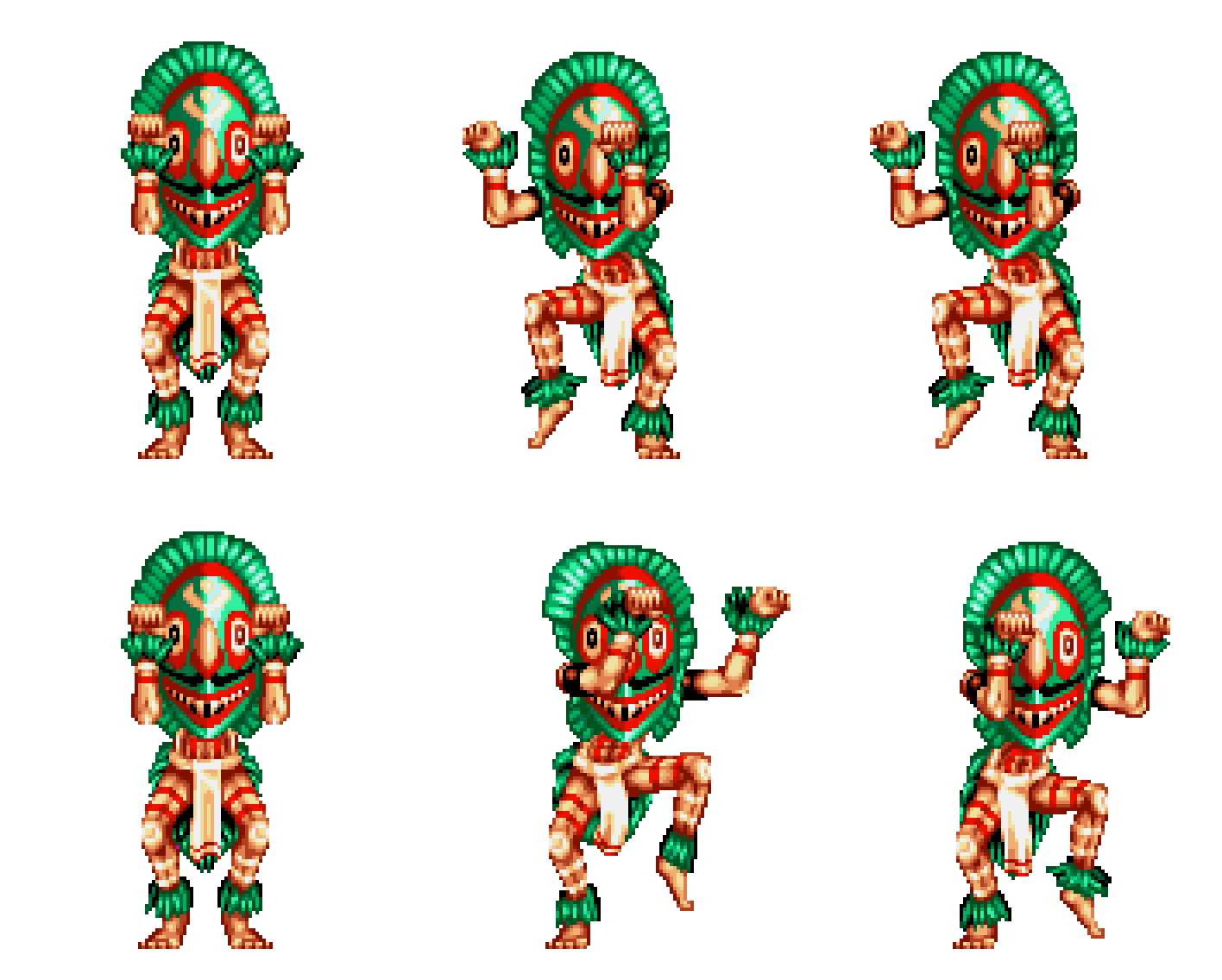
His design seems like it’s going for a specific culture, but I feel like most kids in arcades back in the day — in the U.S., Japan or otherwise — would have trouble putting their finger on exactly what that was.
Questions you may have looking at Mudman today:
“Is this okay?”
“Is this an actual thing?”
“Is it better if it’s based on an actual thing, or should I hope it’s not?”
“Is the group being represented by this character likely to ever experience this video game — and if so, do we think they would find this guy offensive?”
The answers, in order: probably, sort of, maybe and finally “no, but it actually comes to video games via an intermediary source that makes it all a lot more interesting.”
< Support this site: on Patreon! • on Kofi! >
The World Heroes series works essentially like a time-travelling Street Fighter — which is to say like the original plan for Fighter’s History, in a way that helps that title make more sense. Not only do characters come from different nations, they also come from different time periods, which is why you can make a character based on Joan of Arc fight a character based on Hulk Hogan. But even in a game full of wacky character designs, Mudman stands out. He’s easily the most colorful character in the series. He whoops and yips through his fights in a way that sounds more animalistic than it does like any human language. And he moves unusually, with the physical presence of his giant mask being a big part of his attack set.
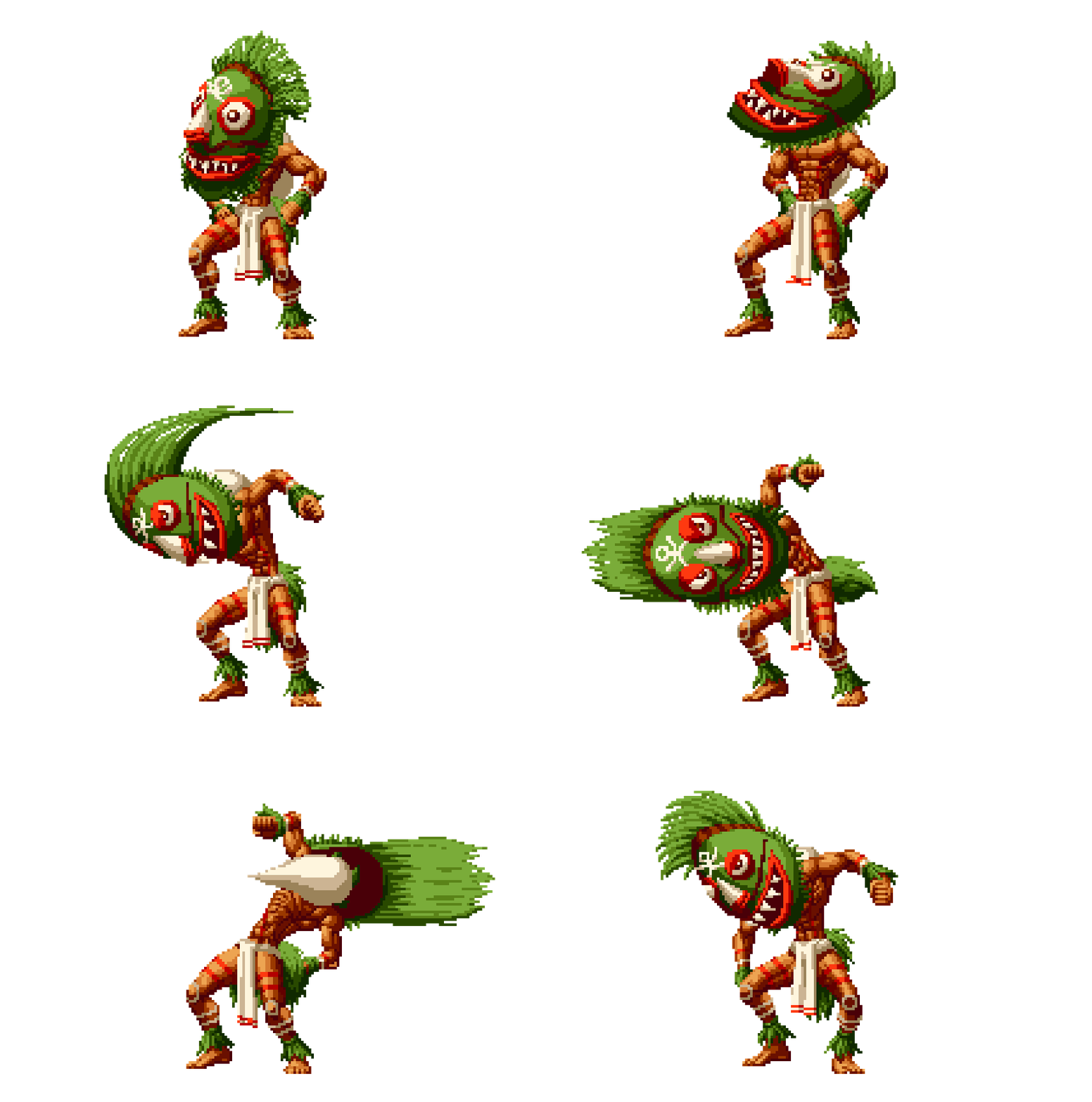
It’s not even clear that he’s meant to be human if you don’t realize that his “face” is just a mask. Mudman shows his actual, human face only rarely. In fact, his character portrait for one of the sequels is one of the few places where you can see his actual face.
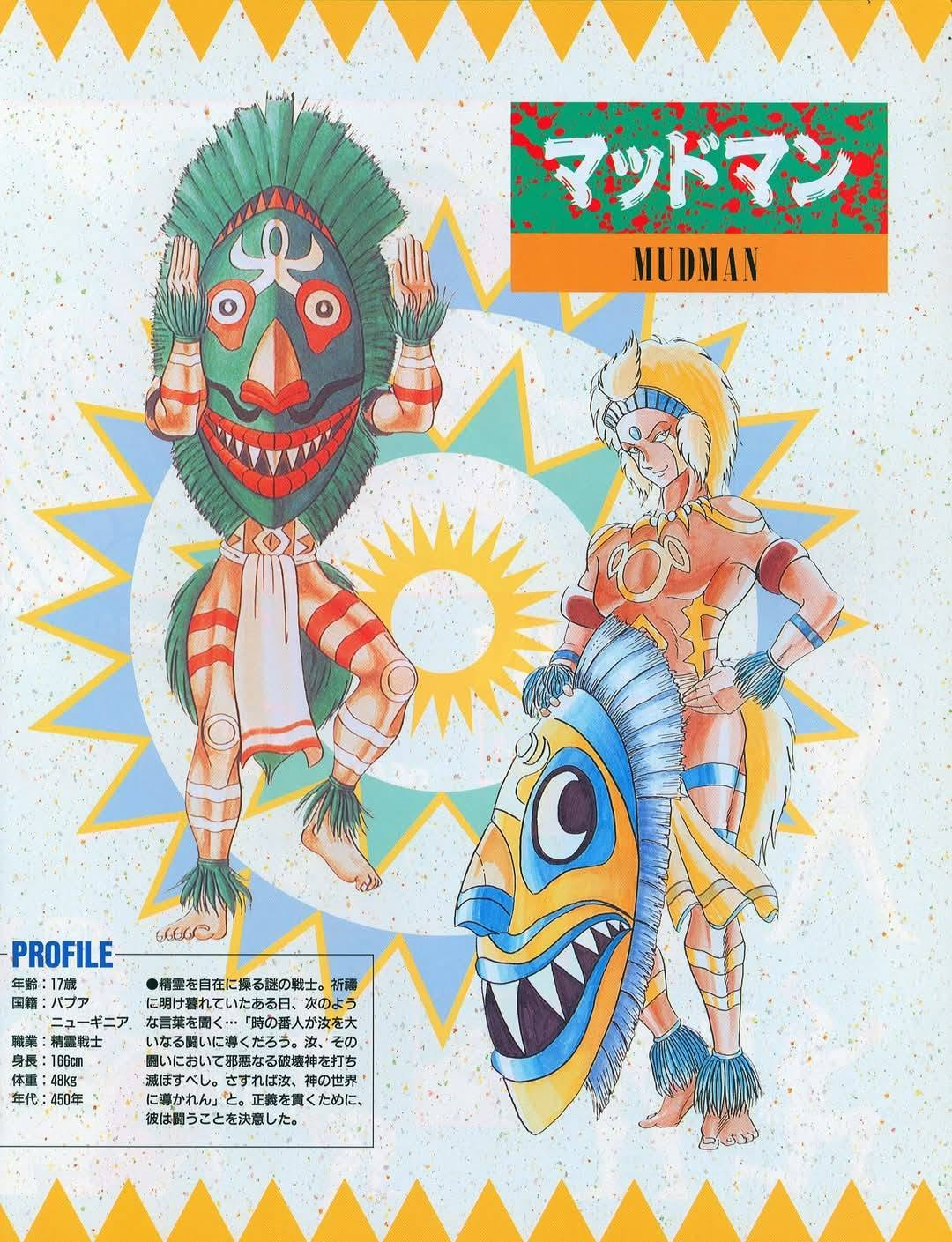
Breaking: Mudman is a secret twink!
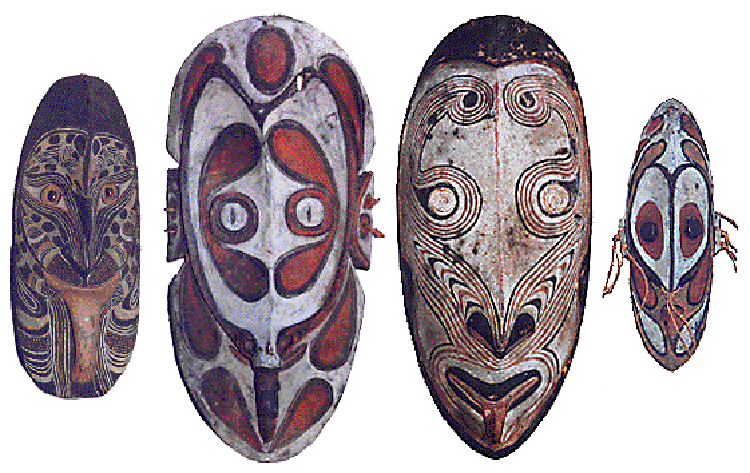
This character has such a specific look that you could assume that he is either based on a real-life thing or that he’s the exact opposite of that — something someone made up without actually looking into how people in Papua New Guinea actually look. Based on what I read researching this post, I feel safe saying that Mudman’s look seems to draw on a few cultural traditions associated with Papua New Guinea, but I don’t know enough to tell if any of the details are correct. It’s often the case that a lot gets lost in taking one culture’s idea, filtering it through the lens of a Japanese creator and then placing it in a video game that is played by someone belonging to a third culture. (I have a whole post on the strange ways Final Fantasy games incorporate Hindu deities that proves this point.) But at the very least, yes, there are groups living in Papua New Guinea that carve large masks or other hard materials. The ones you see below represent a group of people living in that country’s Sepik province.
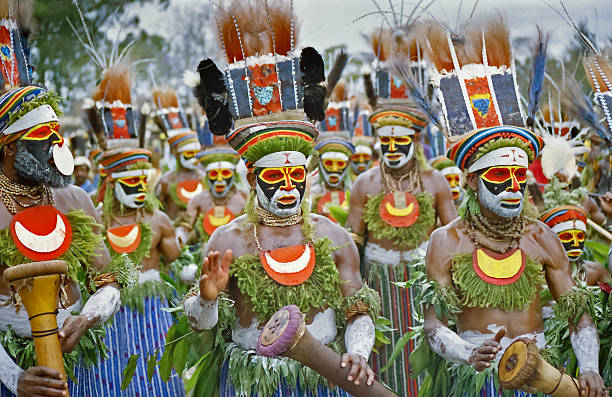
What’s more, there are also people in Papua New Guinea who sometimes wear colorful ritual costumes that look somewhat like the one that Mudman wears.
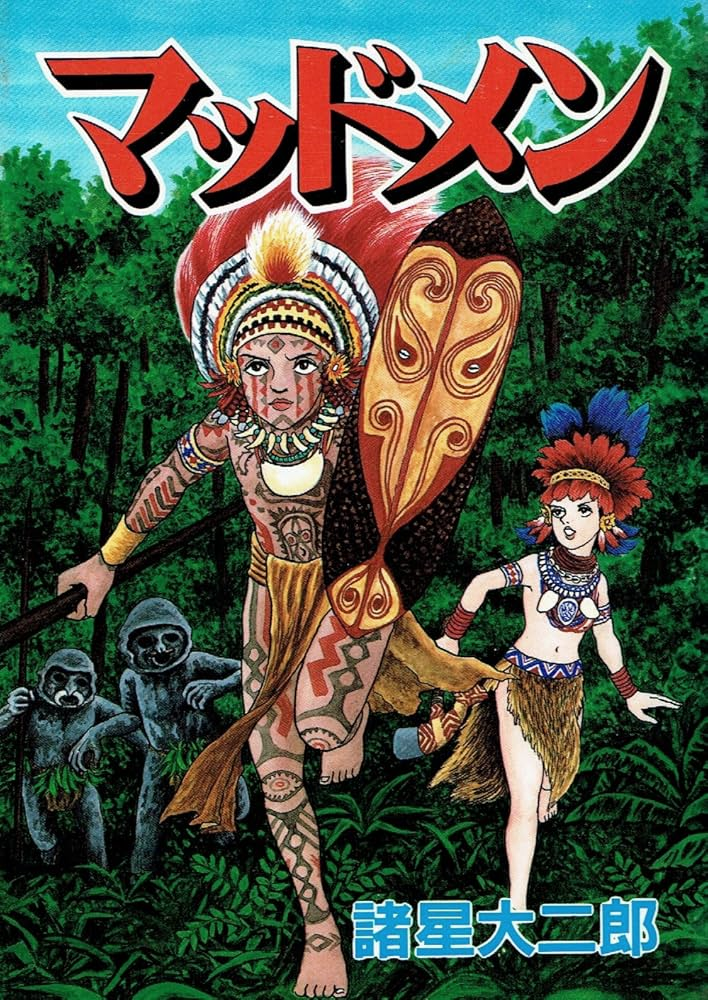
Most people discussing the origins of Mudman, however, point to the pop culture middleman that seemed to inspire his presence in this game: the manga by Daijiro Morohoshi that ran between 1975 and 1982 and which focuses on a young Papua New Guinean boy. It’s titled Mudmen, although the Japanese title, マッドメン is sometimes also transliterated as Mad Men, hilariously.
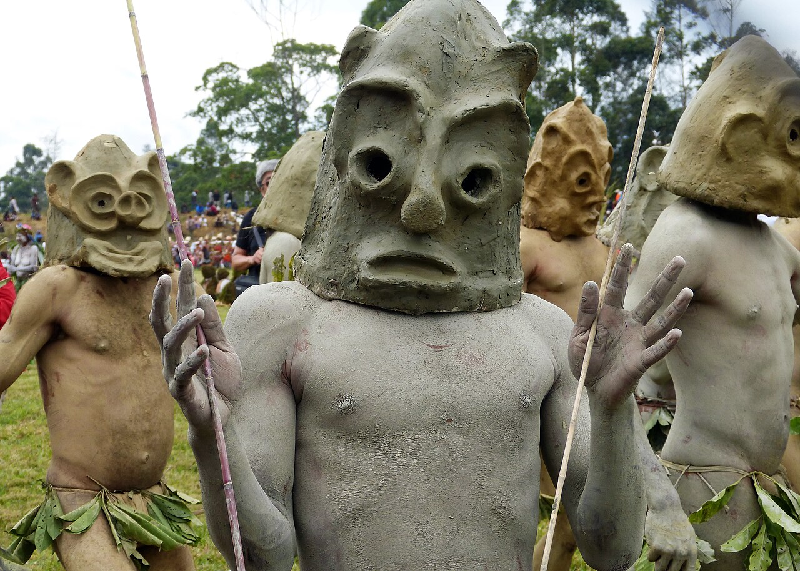
The manga’s title comes from a name for Papua New Guinea’s Asaro tribesmen, whose cultural traditions include wearing masks made from mud. It should probably be noted that these look a lot different from the one that the World Heroes character wears. Like I said before, the details get changed a lot in the process of mashing a real world thing into video game pixels.
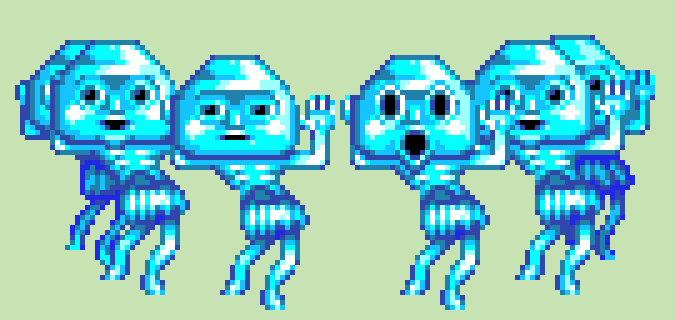
Though popular in its day in Japan, the Mud Men manga has never been translated into English, so I can’t say how much its protagonist, Kodwa (コドワ), inspired the Mudman character. But I have played World Heroes enough to say that in video game terms, Mudman comes off as a cross between Blanka from Street Fighter and Nakoruru from Samurai Shodown. Like Blanka, Mudman is a free spirit and a bit of a goof in battle. But like Nakoruru, Mudman is fighting on behalf of a benevolent nature deity, and he brings that proximity to the natural world into battle. Indeed, if you’ve ever seen Mudman in action in the arcade, first you’d notice his outlandish look and then you’d notice that he can summon miniature humanoid sprites to his aid. He can even chuck them at opponents, Pikmin-style.

Unless I’m mistaken, these bobble-headed creatures aren’t based on anything from the manga — not directly at least. They do, however, bear more than a passing resemblance to masks worn by the second Papua New Guinea group I mentioned earlier — the ones who actually wear masks made of mud. And there’s a 2018 Twitter thread by user Poon Donkus that attempts to connect these guys (and the Mud Men manga in general) to the 1997 film Princess Mononoke. I’m not sure if his theory is correct, but there’s a bit of evidence suggesting that it might be.
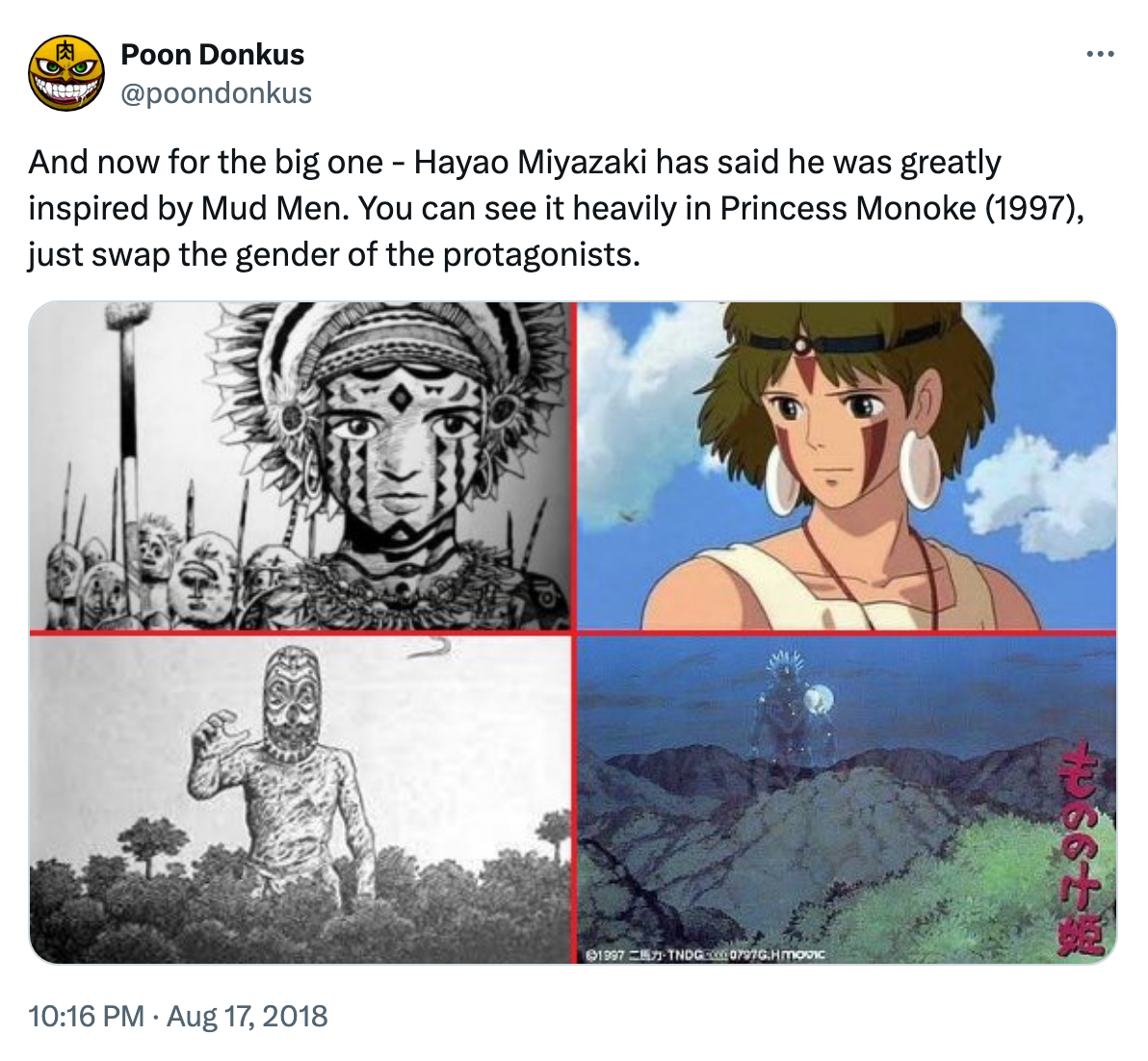
Although the English Wikipedia page for Daijiro Morohoshi claims that Mud Men inspired Hayao Miyazaki, I can’t find proof of that. The linked source only notes that 1997’s Princess Mononoke features certain visual motifs that bear resemblance to ones that appeared previously in Morohoshi’s work — which is true, but something less than an explicit acknowledgement. I wonder if this point might be conflated with Hideaki Anno allegedly crediting a monstrous, slouching giant that appears in different Morohoshi work, Kage no Machi, for helping inspire one in Neon Genesis Evangelion. This seems to be documented somewhere as well, but I can’t even be sure because Anno’s original statement seems to come in a January 10, 1997, episode of the NHK series Manga Yawa that focuses on Morohoshi’s work. I wasn’t able to find that episode online.
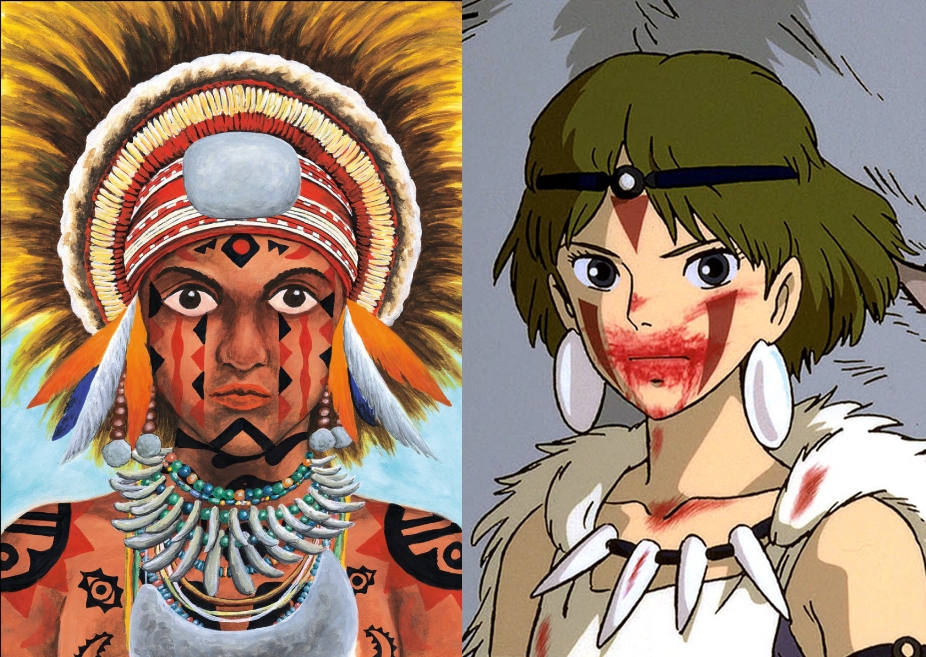
For the sake of this post, let’s suppose Morohoshi did inspire Miyazaki, and the parallels between Mud Men and Princess Mononoke are intentional. The latter can be read in some ways as a gender-flipped version of the former, and in fact you can even see how the main character’s costumes look somewhat similar.
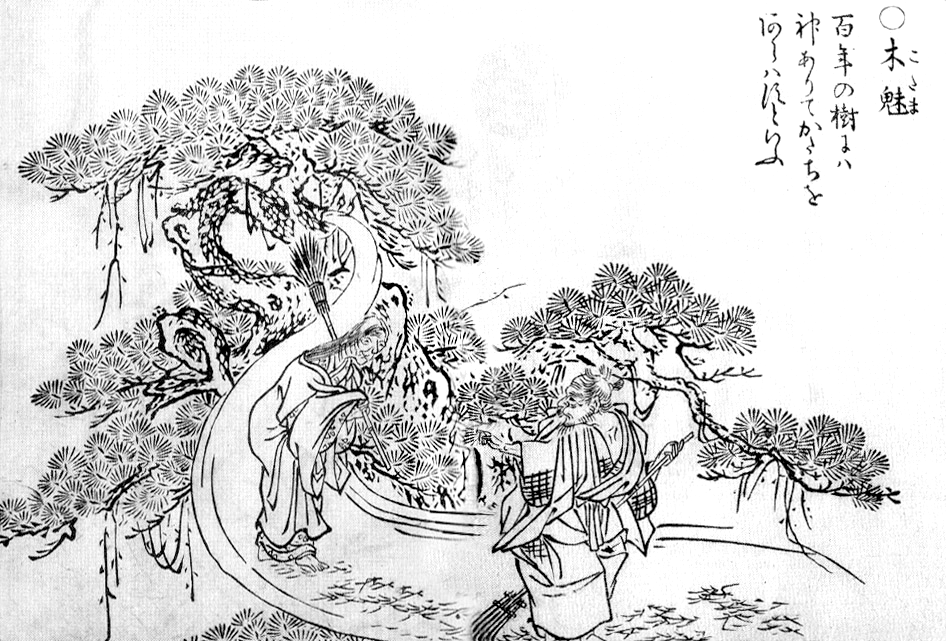
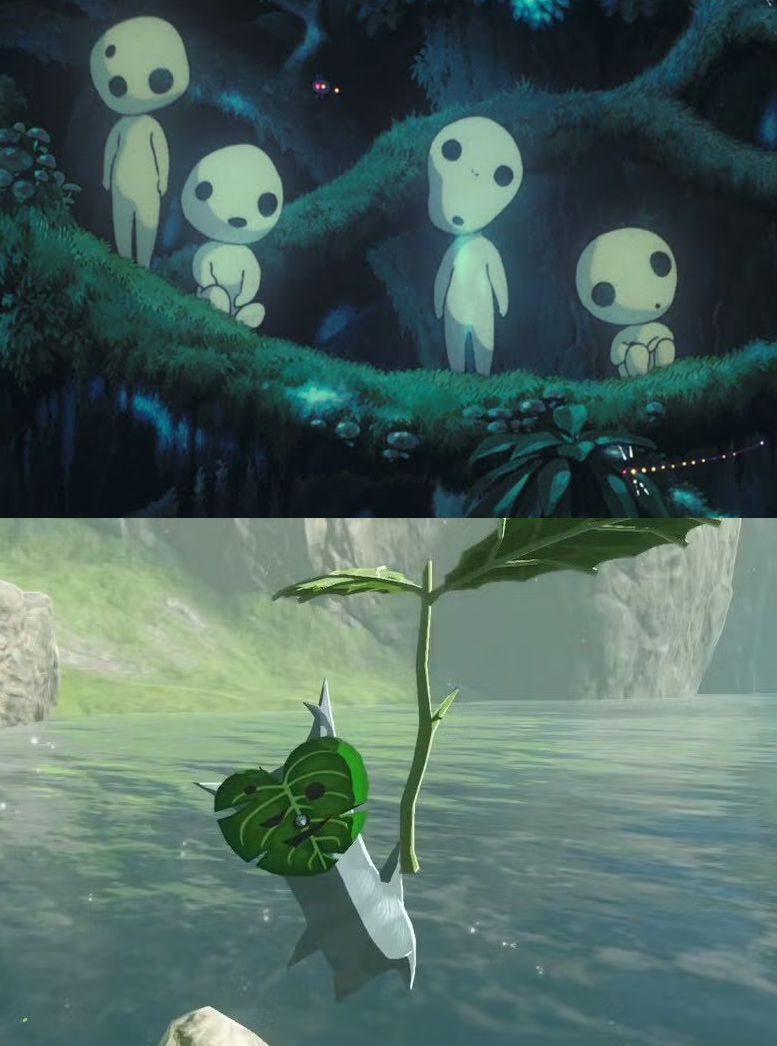
That Twitter thread notes the design of the tree spirits (kodama) appearing in Princess Mononoke look a lot like Mudman’s assistant spirits in World Heroes, and therefore a lot like the real-life Asaro tribesmen, who were brought into greater recognition in Japanese culture as a result of Morohoshi’s manga. Traditionally, Japanese folklore did not have kodama sporting the “bobblehead” look. That came with the 1997 film, and it’s a popular way to depict them since, even outside of Studio Ghibli productions. In this sense, the leaf-headed Koroks of the Legend of Zelda series could be seen as an offshoot — a kind of different tree spirit, debuting in 2003’s Wind Waker perhaps as a result of the popularity of Princess Mononoke and its character designs.
If that’s all true, it would mean that a creative throughline starting in the Mud Men manga would extend to one of the most celebrated anime of all time — and from there into one of the best-known video game franchises of all time. But that throughline would also include a jag through World Heroes, since the notion of nature spirits in particular taking on this big-headed, small-bodied form would seem to start with Mudman’s debut in the series in 1994. It might all be a coincidence, but if it’s not, it’s an interesting footnote for one of the more striking designs from a 1990s fighting game. Mudman hasn’t been given an active role in a video game in a long time, but his spirits live on.
Do go read that original Twitter thread, however. It’s got some more pop culture connections that I don’t mention in this post.
< Support this site: on Patreon! • on Kofi! >
Miscellaneous Notes
If it wasn’t clear what I meant by the idea of a thing that is not based on anything cultural but gets associated with a given people because someone at some point just made something up, a good example is the “oriental riff” — the omnipresent musical composition that came to represent all things Asian in western culture even if it did not originate anywhere in the Asian continent. NPR did a great segment on this in 2014: How the “Kung Fu Fighting” Melody Came to Represent Asia. But there are a lot of non-musical instances of this kind of thing, where something becomes a cultural meme associated with an ethnicity or other group of people even though it’s not authentic to anything that group actually does. I think the characters of Tam-Tam and Cham-Cham in Samurai Shodown are very much this, being really cool designs that are nonetheless a weird melange of Aztec, Mayan and Incan cultures with a lot of made-up stuff thrown in.
I get into this in my piece on the origins of Blanka, and how characters from South America and Africa both are often shorthanded as being closer to nature but also somehow more animalistic as a result. It’s weird and complicated, and someone smarter than I am could probably write something really interesting on the origins of these tropes. (And do click that link if you want to see the really egregious stereotype that ultimately became Blanka, presumably because Capcom thought better of their first attempt even way back in the day.)
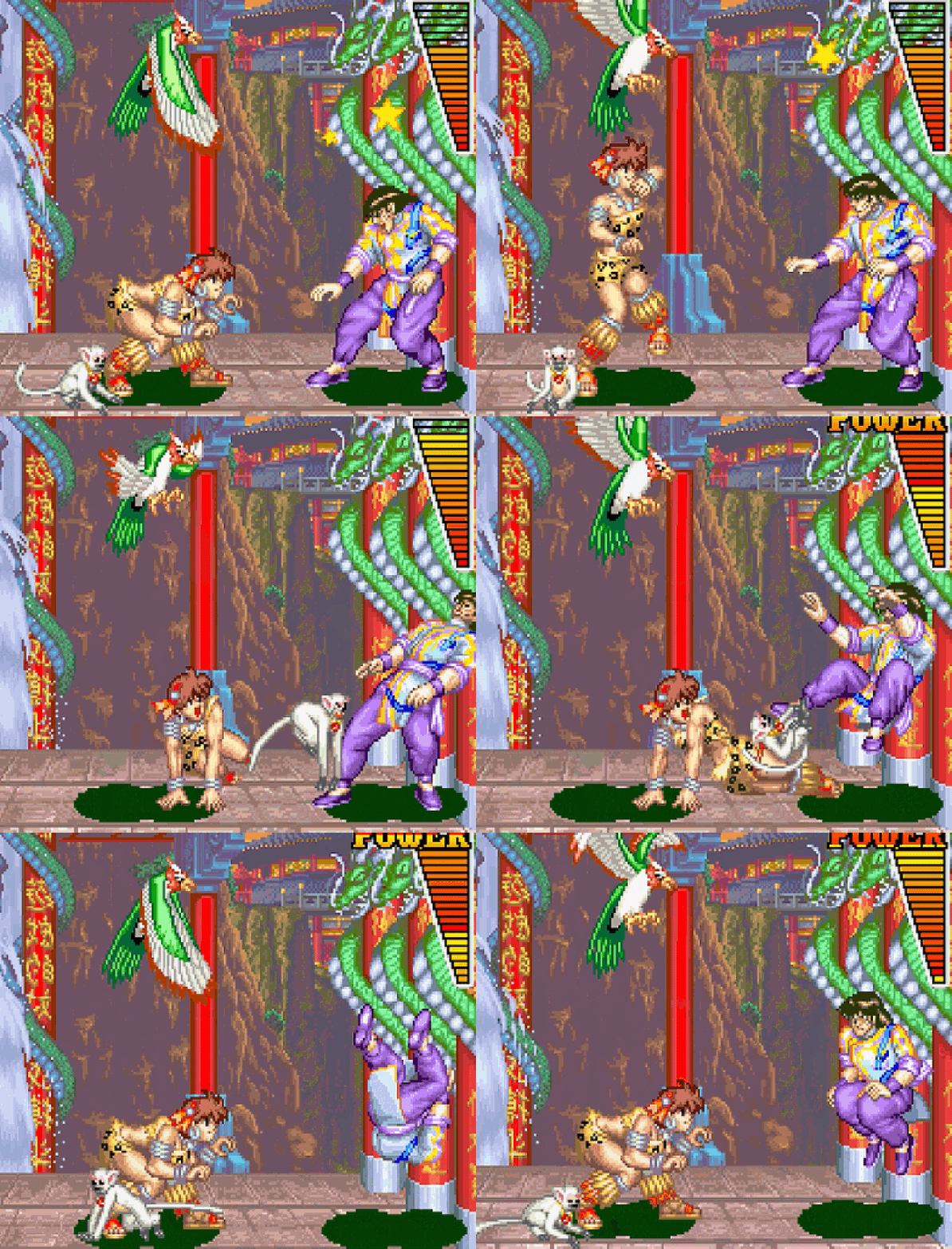
Meet Liza, the Brazilian fighter from 1994’s Kaiser Knuckle. She has *two* animal friends.
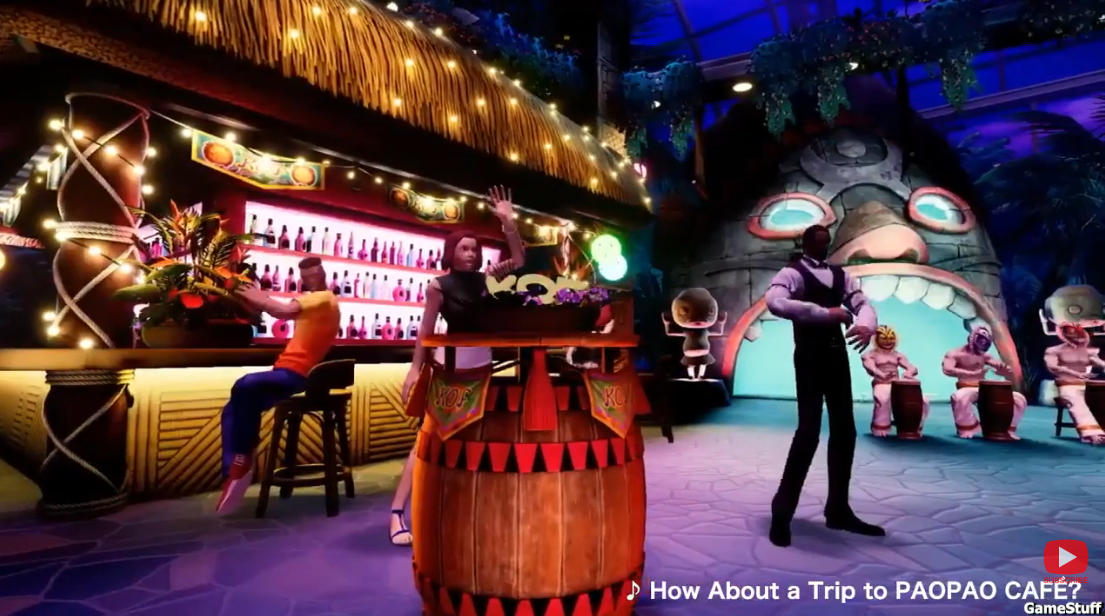
Mudman’s last appearance in a World Heroes game came in 1995, but he actually got a new sprite for 2005’s Neo Geo Battle Coliseum, which featured him as the one additional rep alongside Hanzo and Fuuma, the Ryu and Ken of the series. His most recent appearance in any form, however, is in the background of 2022’s King of Fighters XV. His mask and his attendant spirits are both represented in the background of this game’s rendition of the tropical-themed Pao Pao Cafe.
.jpg)
#/media/File:SekienKodama.jpg)
May he live to chuck spirit buddies again in a future game.