

Mario 101: Part Five

61: Super Mario Bros. 3 originally was planned to shift the series’ traditional perspective.
It seems like heresy today to think of Super Mario Bros. 3 having Mario doing anything but the standard left-to-right, “hop and bop” action, but you have to remember that the Japanese Super Mario Bros. 2 (a.k.a. the one we call The Lost Levels) was virtually identical to the original game. From some standpoints, it might have made sense to upend series conventions to make a new entry feel different. According to a 2016 Nintendo roundtable, one of the ideas considered but ultimately abandoned for SMB3 was a subtle shift in perspective.
The original Japanese version of the interview uses the term 俯瞰 or fukan, which is often translated as “bird’s-eye view” but also sometimes as just “overlooking.” “High-angle” might also be a way to describe this perspective, and while I initially imagined it to be something like the forced perspective of the original Legend of Zelda, it was pointed out to me that it might actually mean something more like Ninja Gaiden or Contra, where it’s still more or less two-dimensional, but the “camera” is positioned slightly higher than in, say, a typical platformer. Whatever the case, this change in angle was abandoned when it was determined that it made jumping too difficult.
That said, one vestige of it remains in the final version of the game: the checkered floor that appears in certain areas.
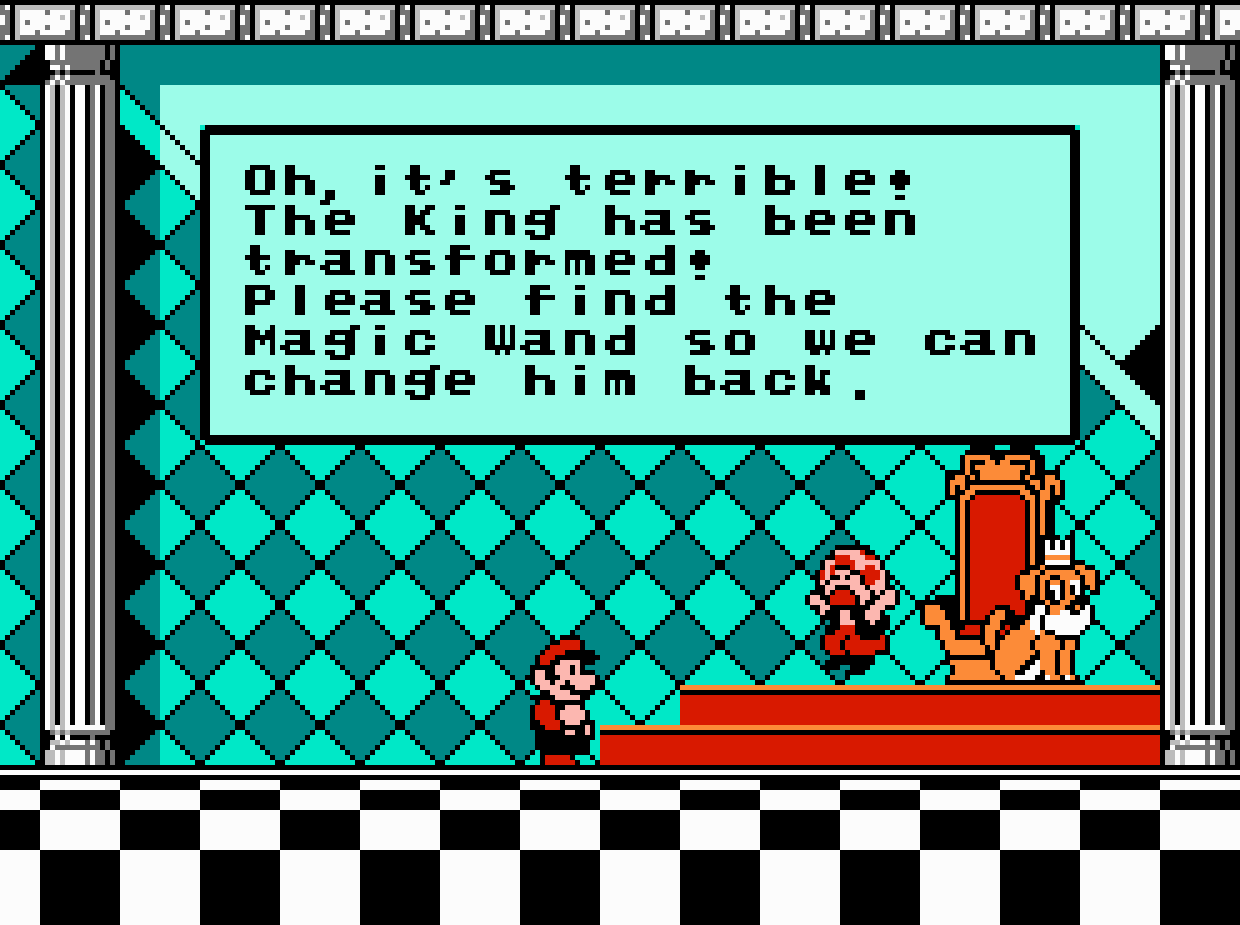
Note how the perspective of the floor doesn’t exactly match what you see in other two-dimensional Super Mario games. Those show the “floor” as if it’s a cross-section, with the “camera” bisecting it down the middle.
According to Takashi Tezuka in that roundtable, that’s a holdover from the original, titled perspective they wanted to make for the game.
Tezuka: At first, we were making it with a bird’s-eye view rather than a side view.
Akinori Sao, interviewer: The view was looking down diagonally from overhead rather than directly from the side as in Super Mario Bros.
Tezuka: Yes. But we couldn’t do it well.
Miyamoto: He said he wanted to look from a little above. But in Super Mario Bros. it’s important to know whether Mario’s feet have hit the ground or not, even if it’s just barely. With a diagonal view from slightly overhead, you lost your sense of distance to the ground. So I told him that development would be difficult.
Tezuka: Yeah, it was. (laughs wryly) So partway through development, we switched to a side viewpoint, but there are relics of the bird’s-eye view in the final product.
Miyamoto: Yeah.
Sao: For example, the black-and-white checkered floor.
Tezuka: Yeah.
Sao: Tezuka-san, what was your original idea for making Super Mario Bros. 3?
Tezuka: We made Super Mario Bros.: The Lost Levels by changing the original game’s difficulty and stage design, but we couldn’t do that again, so I wanted to change everything, including its general appearance.
62: The Koopalings were retconned not just in the west but in Japan as well.
In a 2012 interview with Game Informer, Miyamoto explained that Bowser only has one child, saying, “Our current story is that the seven Koopalings are not Bowser’s children. Bowser’s only child is Bowser Jr., and we do not know who the mother is.” As a result, I have read here and there the idea that the Koopalings were never Bowser’s offspring in the original Japanese version of the games, but that’s not true. The Japanese version of the Super Mario Bros. 3 instruction manual literally has Bowser introducing these new characters twice as 息子達 or musuko-tachi, his children.
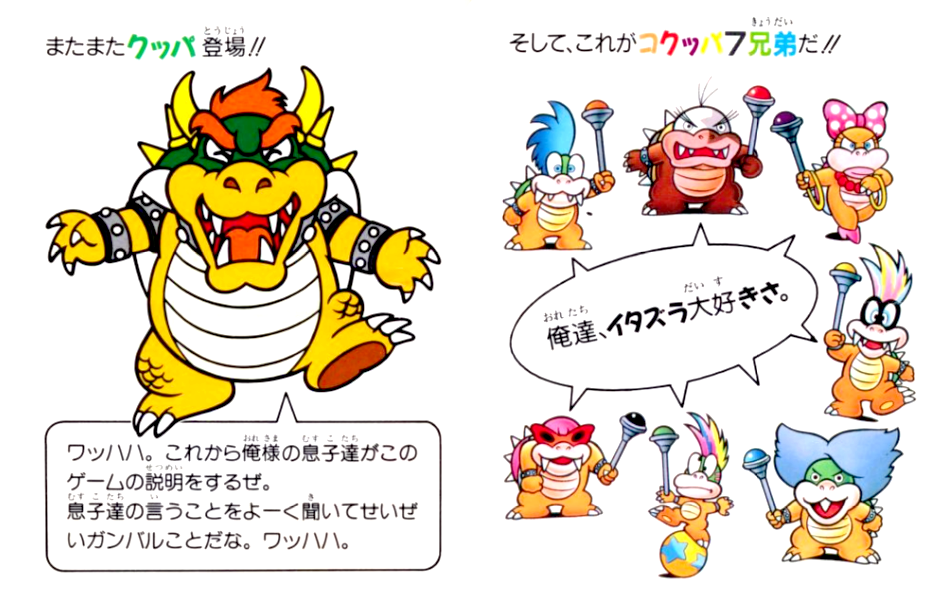
And then the Koopalings are saying in unison “We love ham sandwiches!” (translation pending).
The following page in the manual does make it seem less explicit if viewed on its own. The text on top translates as “And these are the seven Koopa siblings,” which makes it sound like they’re siblings but not necessarily Bowser’s kids until you remember that the Koopa branding is not present in the Japanese version of these games. (See item no. 19 if you’re not sure what I mean by this.) It’s not clear when this ceased to be the case, but a likely guess is 2002, when Super Mario Sunshine debuted Bowser Jr., who henceforth was the one and only child of the series big bad.
What may be surprising to many western gamers is that the Koopalings appeared in relatively few games before their demotion. Discounting ports and remakes, it’s only Super Mario Bros. 3, Super Mario World and Yoshi’s Safari — and then Mario Is Missing! and Hotel Mario if you want to count them. (I don’t.) From their weirdly non-speaking cameo in Mario & Luigi: Superstar Saga to their appearances alongside Bowser Jr. in the New Super Mario Bros. games, they exist in a weird limbo area, and from the 2015 interview on, they’re officially hired help and not royal relatives.
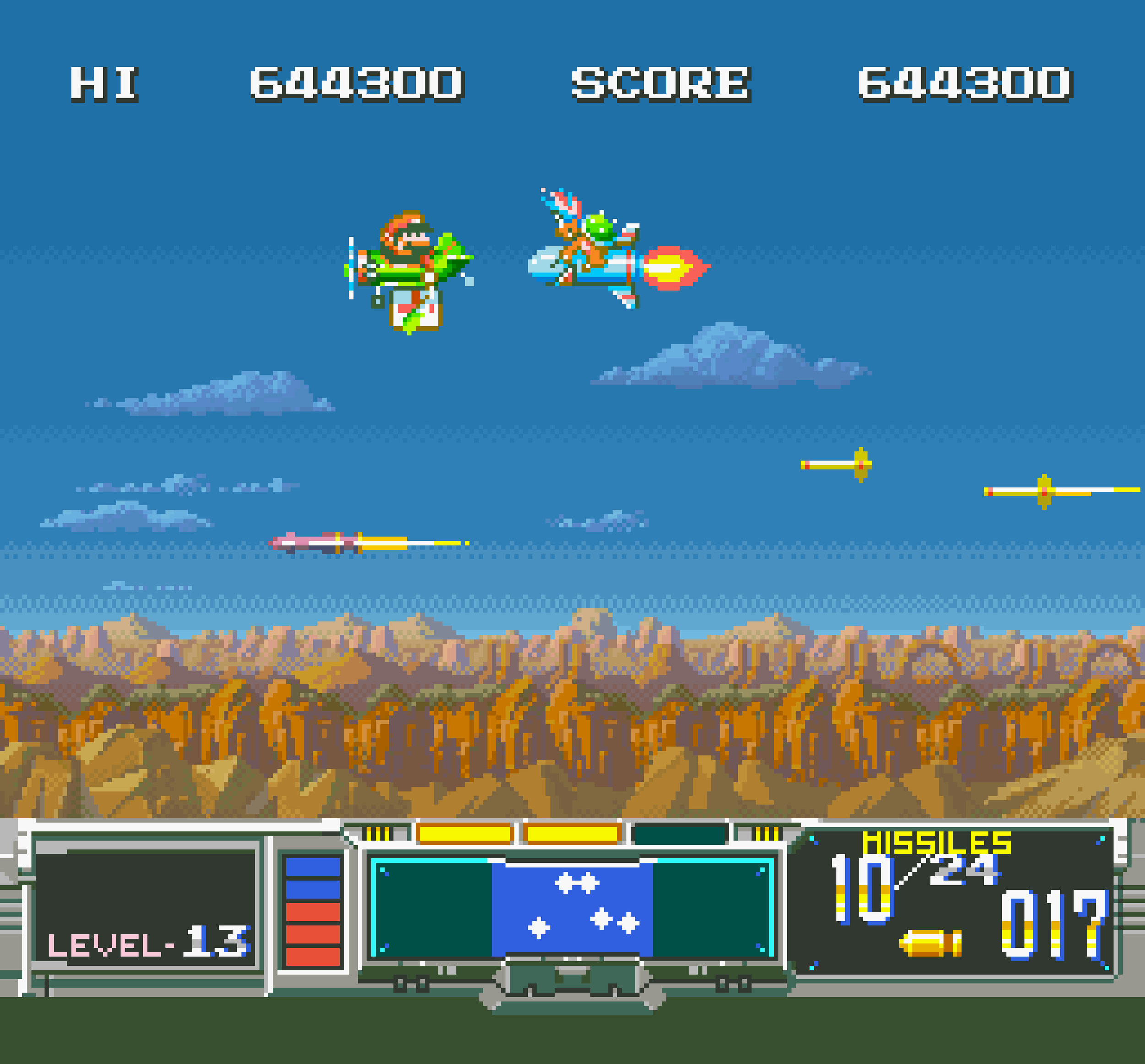
Weirdly enough, Lemmy has one appearance over his siblings; he makes a cameo in the Super Scope 6 game LazerBlazer, released in 1992.
63: The Koopalings’ individual names originated in the English localization of Super Mario Bros. 3.
For reasons I can’t understand, the Japanese version of Super Mario Bros. 3 did not name the Koopalings. That seems like a missed opportunity, honestly, and subsequent to the arcade era, I can’t think of another major or even minor Super Mario character not being given some kind of official name. But when the localization team wrote the English version of the game’s instruction manual, they gave the seven the names they all have today.
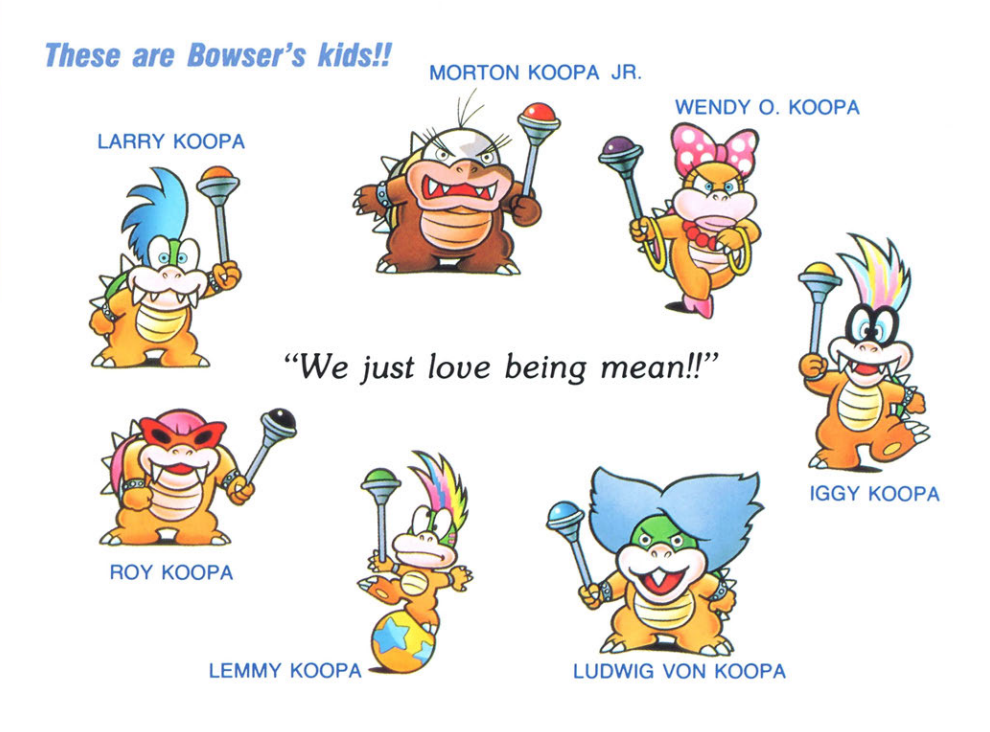
And when the Koopalings were featured again in Super Mario World, they retained their western names in the original Japanese version — at least in part.
From the Japanese instruction manual:
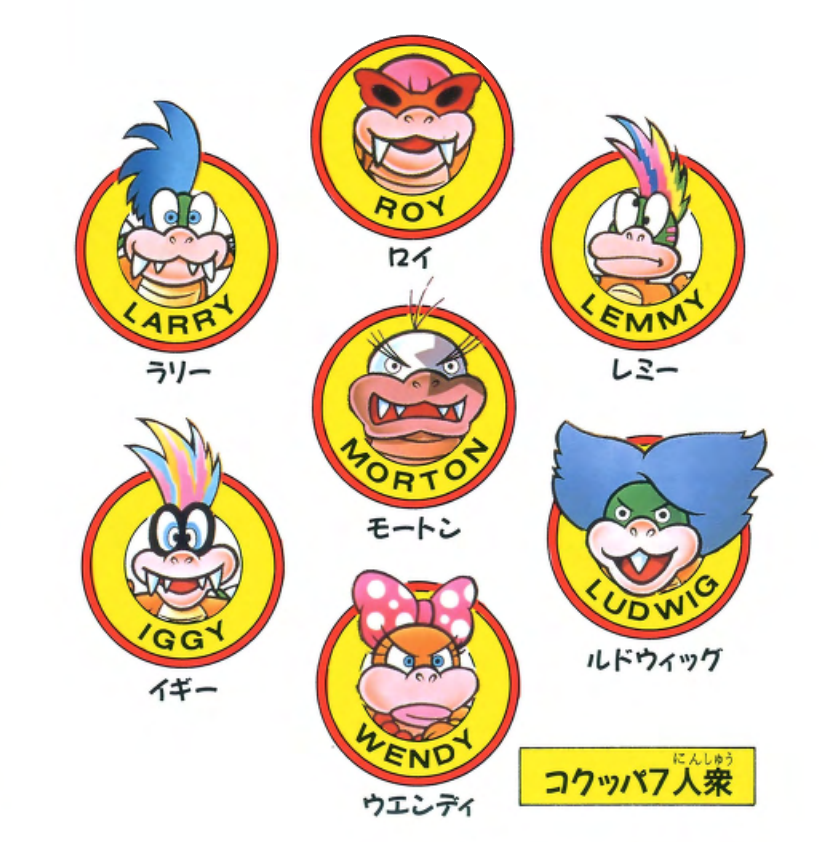
Every Koopaling has their name written twice, once in romaji and then below in katakana. In the bottom right corner, however, they’re all labeled as コクッパ7人衆 or Kokuppa 7 ninshu — or “the seven little Kooopas.”
Note that is just Larry and not Larry Koopa, again because the Koopa branding does not exist in Japan. And the ones who had extra bits in their names — Morton Koopa Jr., Wendy O. Koopa and Ludwig von Koopa — also lost those. And this is reflected in the Japanese version of the end credits, where they all just have first names and nothing else.
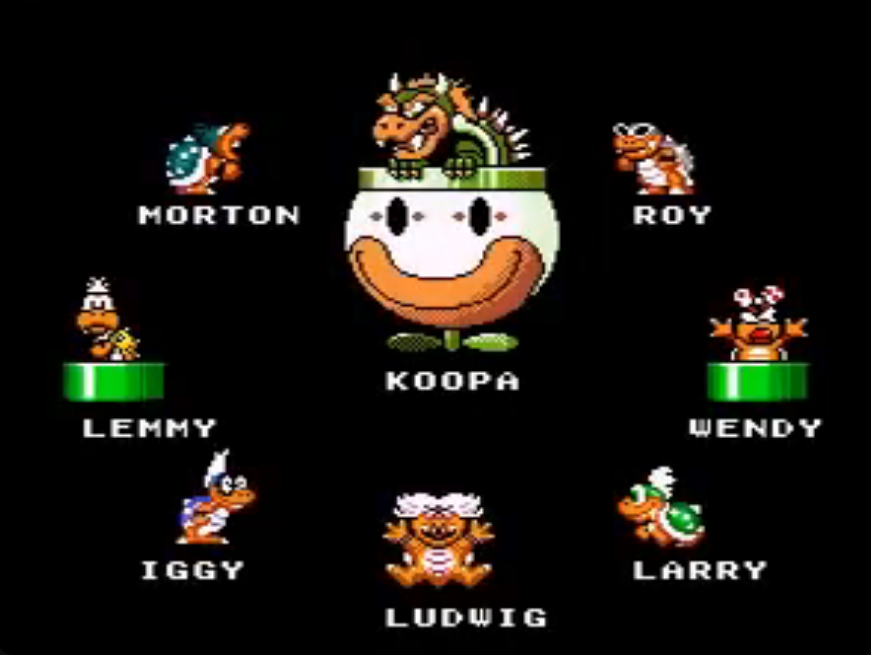
I’m guessing the Koopalings’ names came late in the localization of Super Mario Bros. 3, however. They’re not programmed into the actual game in any way, and they could have been written into the manual at the last possible minute. This is likely why the versions of the characters appearing in the DiC cartoon adaptation — the awkwardly titled The Adventures of Super Mario Bros. 3 — have different names. The cartoon started airing Sept. 8, 1990, just seven months after Super Mario Bros. 3 hit shelves in North America, and so the people making the cartoon would have had to come up with their own names for the Koopalings, not knowing that Nintendo of America would make their own.
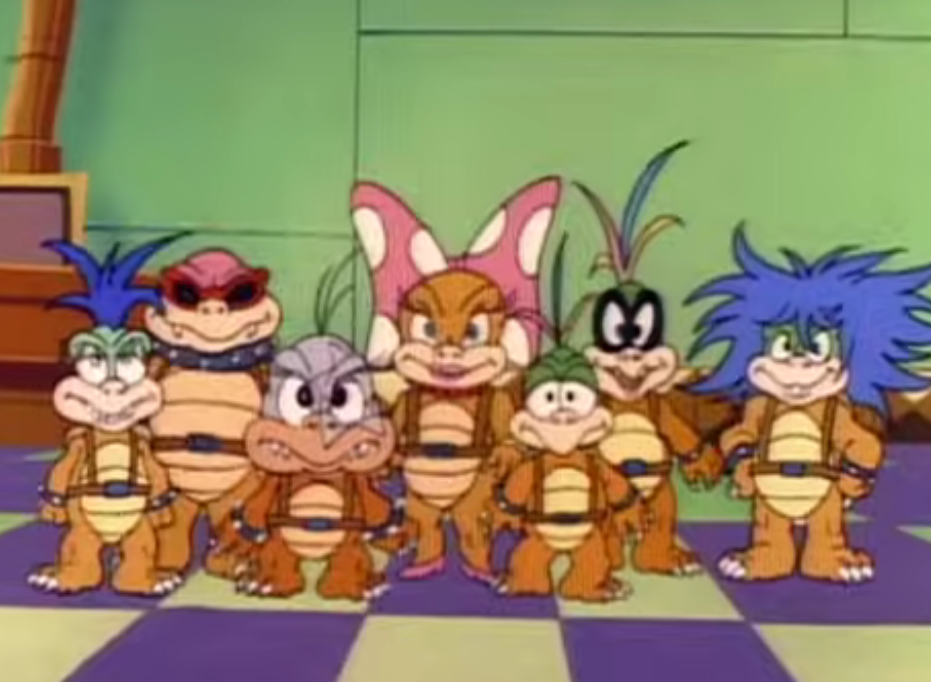
Left to right: Big Mouth, Bully Cheatsy, Kootie Pie, Hip, Hop and Kooky
64: There’s a lingering mystery about which Koopalings are inspired by Nintendo staffers.
Nintendo Power’s official guide for Super Mario World precedes the actual game maps with a celebration of Mario’s history so far. Titled Mario Mania, the publication includes an interview with Miyamoto in which he claims that the Koopalings were inspired by the members of the Super Mario Bros. 3’s design team.
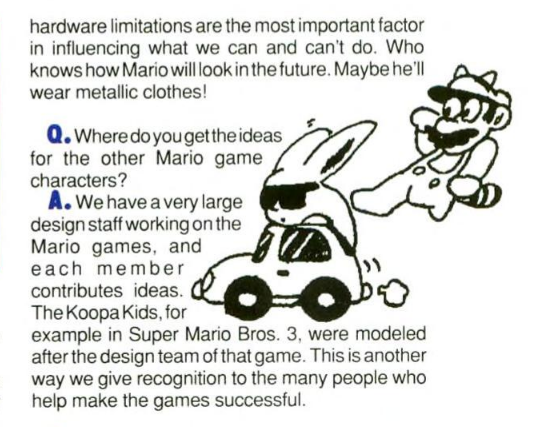
As far as I know, this is a statement that’s never been followed up. The staffers credited in some kind of design function include Takashi Tezuka, Katsuya Eguchi, Hideki Konno, Kensuke Tanabe and Hiroyuki Kimura, which, yes, adds up to less than seven, and I’m not sure how that math should work out, but I’m sure someone who worked on SMB3 might know. And yeah, somewhere in Japan there is someone who knows that they were the inspiration for Wendy O. Koopa, and I feel like I need to know who this person is.
I’ve posted it on the wanted list, but no answers as of yet.
65: The Koopalings kick off the trend of naming Super Mario characters after musicians.
The majority of the seven Koopalings are named after musicians and performers, and while some of these namesakes seem more obvious than others, it’s a naming trend that actually would start in Super Mario Bros. 3 and would include enemy characters who aren’t Koopalings.
During a 2015 interview with Kotaku, Dayvv Brooks recalled how he named most of the Koopalings after musicians.
The hairstyle on one of them reminded me of Ludwig von Beethoven for some reason and Ludwig von Koopa was born. Next was the one with the glasses—that has to be Roy Koopa in homage to Roy Orbison, who almost always wore glasses. Then Wendy O. Koopa [was] Wendy O. Williams. Iggy Koopa [was] Iggy Pop.
The occasion of the interview was the death of Lemmy Kilmister, frontman for Motörhead. Brooks said Lemmy Koopa embodied something of the rocker’s spirit.
That brings us to Lemmy. In addition to being a great name, it’s perfect for a video game character. This Koopaling struck me as being the kind of character who would do his own thing, no matter what anyone else thought. I think it was those crazy eyes. Lemmy Koopa was in the crew.
Based on these five, a lot of people assumed that Larry Koopa had to be named after Larry Mullen Jr. from U2, but in that same interview, Brooks said this was not the case: “There’s no real-world equivalent. […] He just looked like a Larry.” That statement also effectively killed the rumor that Larry Koopa was named after the TV host Larry King — and that association only existed because Morton Koopa Jr. was named after another 80s TV personality. As Brooks explained to Kotaku, “One looked like a loudmouth, so he was Morton Koopa Jr. from [the] loud-mouthed talk show host Morton Downey Jr.”
I will point out that of the Koopalings who were named after real people, the only one of those people who is still alive is Iggy Pop.
66: Boo = another rocker + an angry wife.
What Brooks didn’t elaborate on was how the trend extends to another major recurring Super Mario enemy that isn’t a Koopaling. Super Mario Bros. 3 also saw the debut of the ghost enemy that’s now known in the west as Boo. In Japan, it’s テレサ or Teresa, from the Japanese 照れる or tereru, “to be shy.” The origin of the western name might seem obvious at first glance, but the SMB3 manual made it clear that his name was a play on that of the singer and guitarist Bo Diddley.
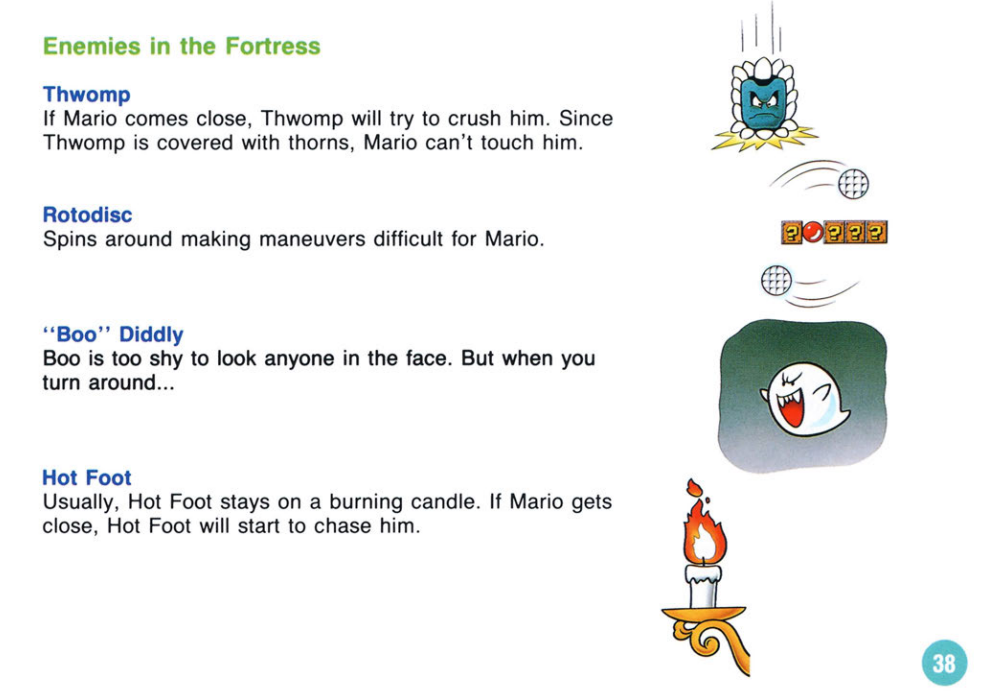
Later games dropped the last name and the connection to Bo Diddley became all but invisible. But he’s nonetheless the reason that the western name for this character is Boo and not some other ghost pun.
Perhaps more famously, however, SMB3 director Takashi Tezuka also allegedly was inspired by his wife to create the Boo, which remains docile when Mario is looking at it but leers evilly and gives chase when Mario turns his back. As the story goes, Mrs. Tezuka is usually polite and quiet but became enraged at her husband because he was spending too much time working for Nintendo — and voila, she became one of the series’ most enduring monsters.

Weirdly, the earliest instance of this story I can find in an English publication is the January 1996 issue of Nintendo Power, in an interview Miyamoto and Tezuka give about Super Mario 64. The way he’s recalling it makes it seem like the inspiration for Boo happened during the development of this game, but that can’t be correct because it has already appeared in SMB3 and Super Mario World, behaving in the same way. I assume this is another instance of Miyamoto mixing up the details while expressing a story that is more or less true.
Nintendo Power: Is there a philosophy that guides your game development?
Miyamoto: In Super Mario 64, I wanted to include more details. The ideas we use in the game come from real life, but that may not seem so. In the process of including an idea in a game, we often change it many times before reaching the final version. For instance, during the development of Super Mario 64, Mr. Tezuka got an idea about putting his wife in the game. His wife is very quiet normally, but one day she exploded, maddened by all the time he spent at work. In the game, there is now a character who shrinks when Mario looks at it, but when Mario turns away, it will grow large and menacing. This is the image he got from his wife and we thought it would be great in the game.
Nintendo Power: How does your wife feel about this?
Tezuka (laughing with a shrug): She knows.
67: Dry Bones is also a musical reference… in addition to being a biblical one.
Though he’s not named after a singer, Super Mario Bros. 3 introduces another recurring undead monster named after something musical. Dry Bones, the skeletal version of the Koopa Troopa, would seem to take his name from the spiritual song that’s also known as “Dem Bones.” A version of this song is the one that’s taught in nursery school as a way to make children learn the names to various human body parts, though I have to say, it’s not always correct. I am pretty sure the shoulder bone is not actually connected to the neck bone, but whatever.
There are parts of the other song that aren’t specifically about anatomy, however, and it’s from this part that the Super Mario character gets his name.
Dem bones, dem bones, dem dry bones
Dem bones, dem bones, dem dry bones
Dem bones, dem bones, dem dry bones
Hear the word of the Lord
The song is actually all an allusion to the Biblical passage Ezekiel 37:1-14, in which the prophet Ezekiel has a vision of himself standing in what’s referred to as the Valley of Dry Bones. Ezekiel sees the bones reform into human skeletons and then regrow their muscle, flesh and skin. It’s not unlike how the Dry Bones enemy comes back to life after being stomped, just gorier. Because Super Mario Bros. 3 was released during the time Nintendo of America imposed a ban on most religious representation, I have to imagine that the localized name for Dry Bones either wasn’t caught or wasn’t thought to be religious enough. Then again, this is the Super Mario game that features a cameo by the Tower of Babel.
In Japan, Dry Bones is called カロン or Karon, which is likely from an カランコロン or karankaron, an onomatopoeia that can refer to the the noise of wooden sandals, the jingle of a wooden chime or the noise of metal on glass. It’s pretty clearly also descriptive of the noise of the character’s bones clanking together as it reanimates. There is a popular western perception that it’s a reference to Charon, the ferryman of the River Styx, but I think the Japanese etymology makes a lot more sense.
The origins of the name get even more obscured when you get to Dry Bowser, because it’s not necessarily clear that he’s the Dry Bones version of regular, non-skeletal Bowser. Other skeleton versions of enemies aren’t named this way in English — for example, Fish Bone is not called Dry Cheep Cheep and Bony Beetle is not called Dry Buzzy Beetle.
68: The Chain Chomp, like the fire bar, was originally designed for Legend of Zelda.
At this point, the origin of the Chain Chomp is one of the better-known bits of Super Mario lore. The first telling of it in English, as far as I know, is in the January-February 1990 issue of Nintendo Power, in a preview of Super Mario Bros. 3.
Another new creature that is one of Miyamoto’s favorites is the chained “dog” (Chain Chomper) that first appears in the Sky World. “This is a strange enemy because it is chained and can’t get at Mario, which probably accounts for its vicious behavior,” Miyamoto said. As for the inspiration behind this mean character, Miyamoto mentions that he did have a “bad experience” with a dog when he was young.
This text gets two things wrong. For one, the name would eventually be Chain Chomp, not Chain Chomper. For another, the enemy first shows up in level 2-5 in the desert world. What’s most glaring, however, is that it doesn’t get to the meat of the matter, so to speak, which is that a young Miyamoto thought an angry dog was going to bite him, only for the dog’s leash to snap him back at the last moment. I’m sure that ended up in print in some publication somewhere, but I can’t find it, hence why most wikis cite a 2010 listicle in The Guardian that worse, shorter version of this post that doesn’t cite its sources.
However, the Chain Chomp was not actually designed to be a Super Mario series enemy at all. It was originally designed for Legend of Zelda, and according to an interview that ran in the 1991 Shogakukan guidebook for A Link to the Past (translated by Glitterberri), the concept art for the enemy predates Super Mario Bros. 3.
Interviewer: By the way, there were several characters in this game that also appeared in Mario. Was that your idea, Mr. Tezuka?
Tezuka: We’d had concept art for Bow-Wow lying around for awhile. We’d put it aside thinking we might make use of it if we could, but someone discovered it and ended up using it for their own purposes.
Interviewer: There were fire bars, too. I was wondering if there was some trick to the order of the creation process.
Toshihiko Nakago, program director for Link to the Past:: Not at all. *laughing*
Kazuaki Morita, object programmer: I was always saying “You can get rid of them at any time!” but it would have been a waste not to use them, so they were left in the game.
Tezuka: To tell you the truth, firebars were originally made for Zelda. They were a lot of fun, so we used them in Mario too.
Miyamoto: Now that you mention it, it was Mario that did the ripping off. There were things we couldn’t use in the first Zelda, you see, but as time passed and the statute of limitations was about to expire, we thought about using them again and ended up implementing them in this game.
Nakago: They were originally made for Zelda 1.
Tezuka: The way you pick up and throw the grass is similar to Dream Factory: Doki Doki Panic, isn’t it?
Interviewer: That’s right. Did you have the idea of picking up and throwing it from the start?
Tezuka: I had the idea early on, but was undecided on how to put it into practice. It took a lot of effort. Mostly, there was the problem of whether we’d actually be able to draw it in Zelda 1’s perspective. Once we tried, though, it turned out somehow.
Weirdly, this interview gives Chain Chomp a name that has never surfaced in any game that I know of — in either series. It calls him ケルビン or Kerubin, which the Glitterberri translation guesses might be Kelvin in English. I have no idea why this name or anything like it would have been attached to the character. In Japan, the Chain Chomp is ワンワン or Wan Wan, from the Japanese onomatopoeia for the noise a dog makes, ワン or wan. When the Chain Chomp shows up in the Zelda series, it’s often given the name Bow Wow, which would be an English equivalent of the Japanese name. Seeing as how it’s basically just a bowling ball with teeth, the “dogginess” of the Chain Chomp wasn’t really made apparent in-game until Super Mario 64, which made it bark. It’s made dog noises ever since.
EDIT: A comment on this post offered a potential solution to the “Kelvin” mystery. The Japanese rendering, ケルビン or Kerubin, is close enough to that of the name of Cerberus, ケルベロス or Keruberosu, that this seems like a potential explanation.
69: Raccoon Mario does not exist in the Japanese version of Super Mario Bros. 3.
In the west, Super Mario Bros. 3’s most iconic power-up is the Super Leaf, which turns Mario into Racoon Mario. It’s Mario’s default form, just with triangular ears on his hat and a striped tail on his butt. It’s the version that appears on the game’s box art. Later in the game, however, Mario can don a full furry suit that allows him some additional powers. This form is called Tanooki Mario, a localized reference to the tanuki, which is both a raccoon-like canid native to Japan but also a mischievous yokai associated with that real-life animal.
In Japan, however, Raccoon Mario does not exist. The more common “ears and tail only” powered-up version is termed しっぽマリオ or Shippo Mario, literally “Tail Mario.”
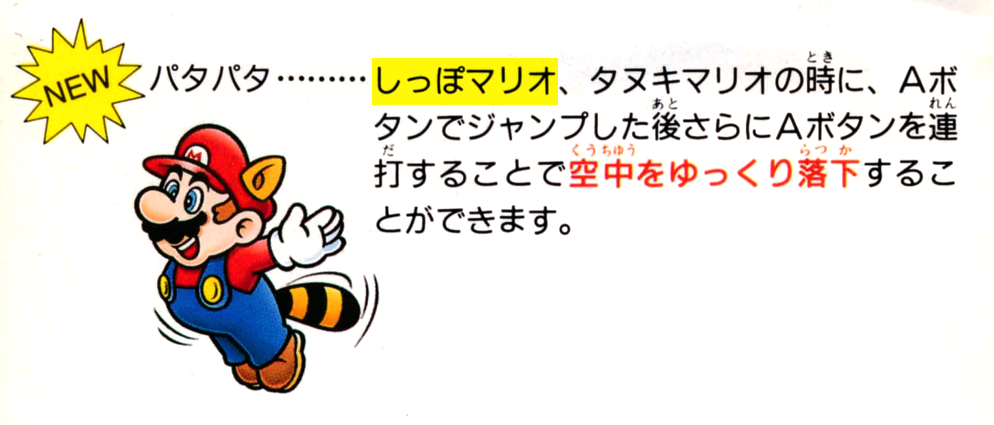
Since the full suit version is Tanuki Mario, the implication is that the “ears and tail only” version is also a reference to the tanuki and not the raccoon, which is unique to the international versions of the game. There are actually no raccoon references in the Japanese version of Super Mario Bros. 3… except that the striped tail is clearly one you’d see on the North American raccoon and not its Japanese lookalike. The striped tail remains even in full Tanuki Mario form, which seems like an odd choice. In this longer piece about tanuki and raccoon representation in SMB3, I argue that the switch was motivated by aesthetics; the striped raccoon tail is just snazzier-looking than the tanuki’s broader, more stumped tail. But SMB3 was not the first instance of a tanuki being given a raccoon tail, however. The character Arale-chan sports what is essentially a pink Tanooki Suit but with the tail of a western raccoon in the intro to the Akira Toriyama series Dr. Slump, which premiered in 1980, eight years before the release of SMB3.

So while SMB3 did not originate putting a raccoon tail on a Tanooki, it’s likely responsible for the increase in tanuki being drawn with one — by western artists and by Japanese ones as well, cultural propriety aside. It’s also credited as being the work that first gave the tanuki the power of flight, an ability they don’t typically have in Japanese folklore. Again, read the post “Did Super Mario Bros. 3 Change Our Understanding of the Tanuki?” for a full examination of all the ways the worldwide popularity of this one game may have altered perception of this animal. Also: Is Mario’s spinning tail a family-friendly stand-in for a swinging scrotum?

Maybe!
70: The noise of the tanuki transformation is a specifically Japanese callback.
The Nintendo publication Super Mario History 1985-2010 quotes Miyamoto as acknowledging how Tanooki Mario’s powers might have been confusing to non-Japanese players, saying, “The Tanooki Suit turns into a statue! Even though I knew it wouldn’t make sense to some non-Japanese players. … I was so excited about it that I left it in.” I think one way to read Miyamoto’s reaction here is pride in something authentically Japanese ending up in a game with an international audience instead.
I think this aspect is reflected in the choice of sound effect associated with becoming Raccoon Mario. It’s borrowed from the 1986 Nintendo title that remained in Japan for decades: The Mysterious Castle Murasame. It’s the noise that signals certain enemies materializing on the screen.
Nintendo has a history of referencing its own products and franchises, of course, and SMB3 notably features a major nod to Legend of Zelda in the Warp Whistle, which sounds and acts exactly like the recorder in the original game in that series. The transformation sound coming from Mysterious Castle Murasame is another instance of that, but I think it wasn’t picked randomly; it’s a sound effect from one of Nintendo’s most distinctly Japanese games reused for a moment in a Super Mario game that is also referencing something that is from Japanese culture.
71: The map screen’s spade panels are a nod to long-ago Nintendo history.
Superficially, it might seem like a no-brainer that the Super Mario Bros. 3 map screen uses a spade icon on the spots where you can engage in various mini-games to win items. Spades, after all, are a playing card suit, even if only one of the mini-games involves playing cards.
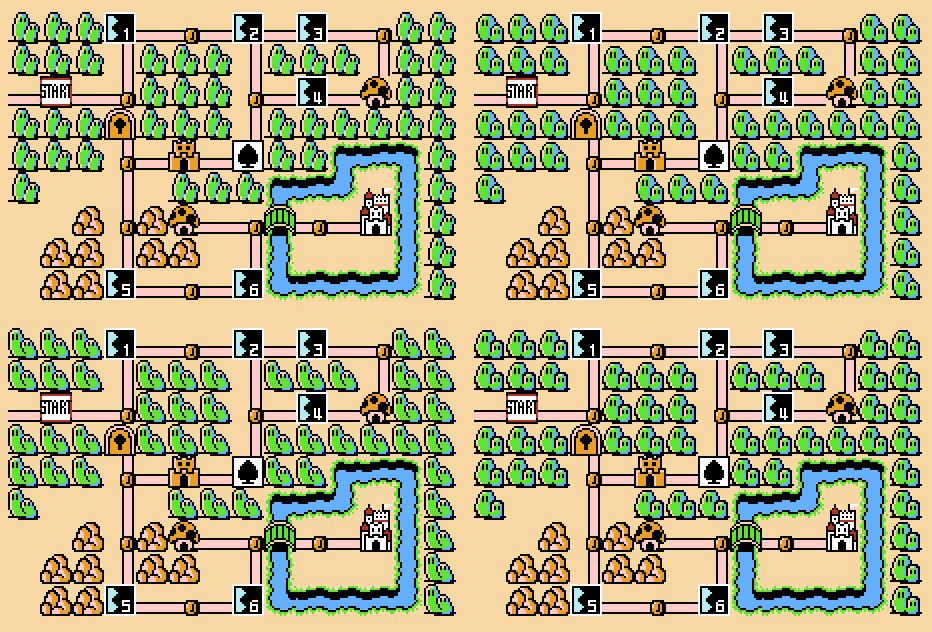
However, the meaning goes deeper than that; in the mid-twentieth century, Nintendo’s logo was a stylized ace of spades.
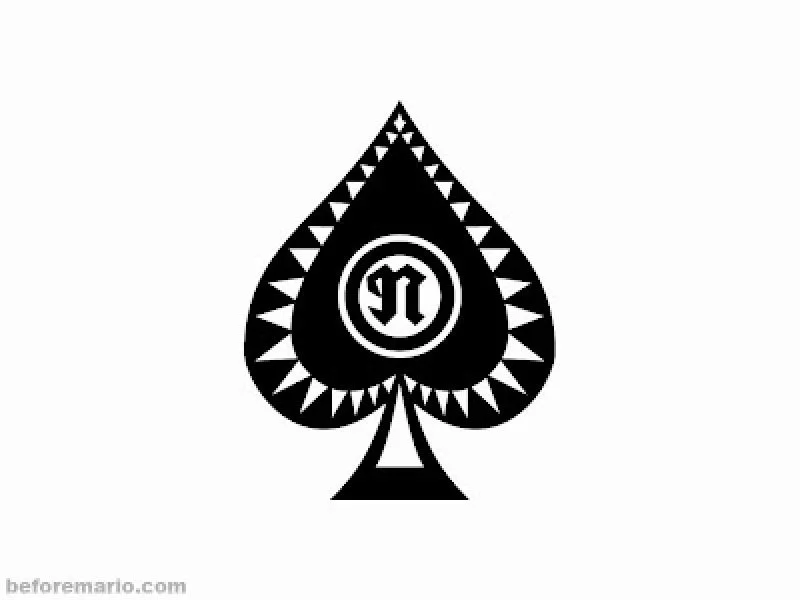
Of course, long before Nintendo got into making video games, it manufactured playing cards. The company was founded in 1889 to make hanafuda cards specifically.
Pay attention whenever the spade symbol shows up in Nintendo games. For example, it’s no coincidence that playing card suits are assigned to the various party members in Super Mario RPG and flash on screen when they use a special move. Peach gets a heart (of course), Bowser gets a diamond, Mallow gets a club, and Geno gets a star — which I realize is not an actual suit, but there are five characters and what are you going to do? Of course it’s Mr. Nintendo himself, Mario, who gets the spade.
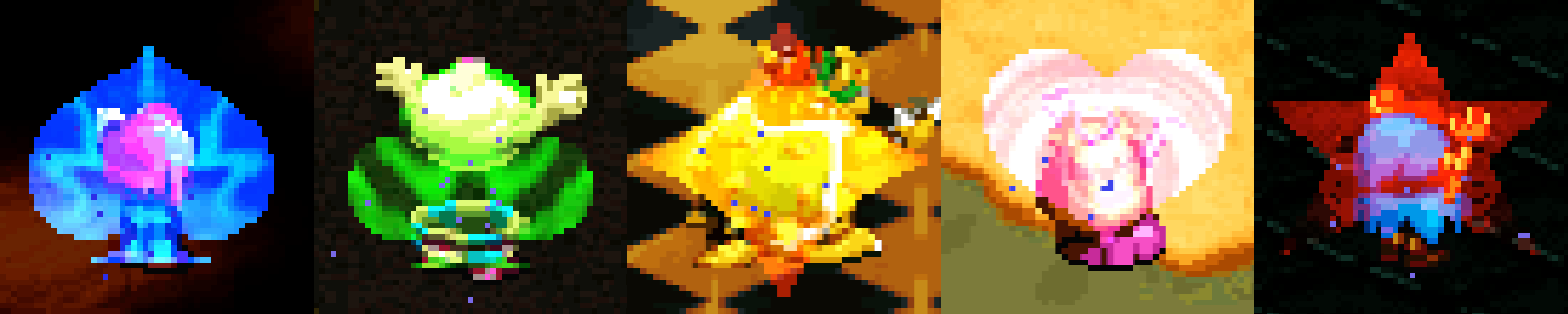
Left to right: Blue spades, green clubs, yellow diamonds, pink hearts and red stars. It’s practically Lucky Charms.
EDIT: Since this post originally went live, I’ve followed it up with a solo post exploring Geno’s star symbol and the history of bonus suits in traditional card games. It actually ended up looping back around to obscure Super Mario RPG lore! Read it here.
72: No, it’s not just a stage play.
Way back in item no. 9, I mentioned how Osamu Tezuka’s “star system” makes for an interesting way to examine the Super Mario series. Super Mario Bros. 3 invites another perspective like this one: that this is all a play — performed in a theater for the entertainment of an audience. This is a reading that SMB3 invites as a result of some aesthetic choices appearing in this game. The intro screen shows red velvet curtains rising before Mario and Luigi “take the stage,” for example. Many stage objects cast shadows where there should be none, unless the “sky” background is actually a solid-color surface just simulating a sky. And some platforms seem to hang from unseen catwalks.

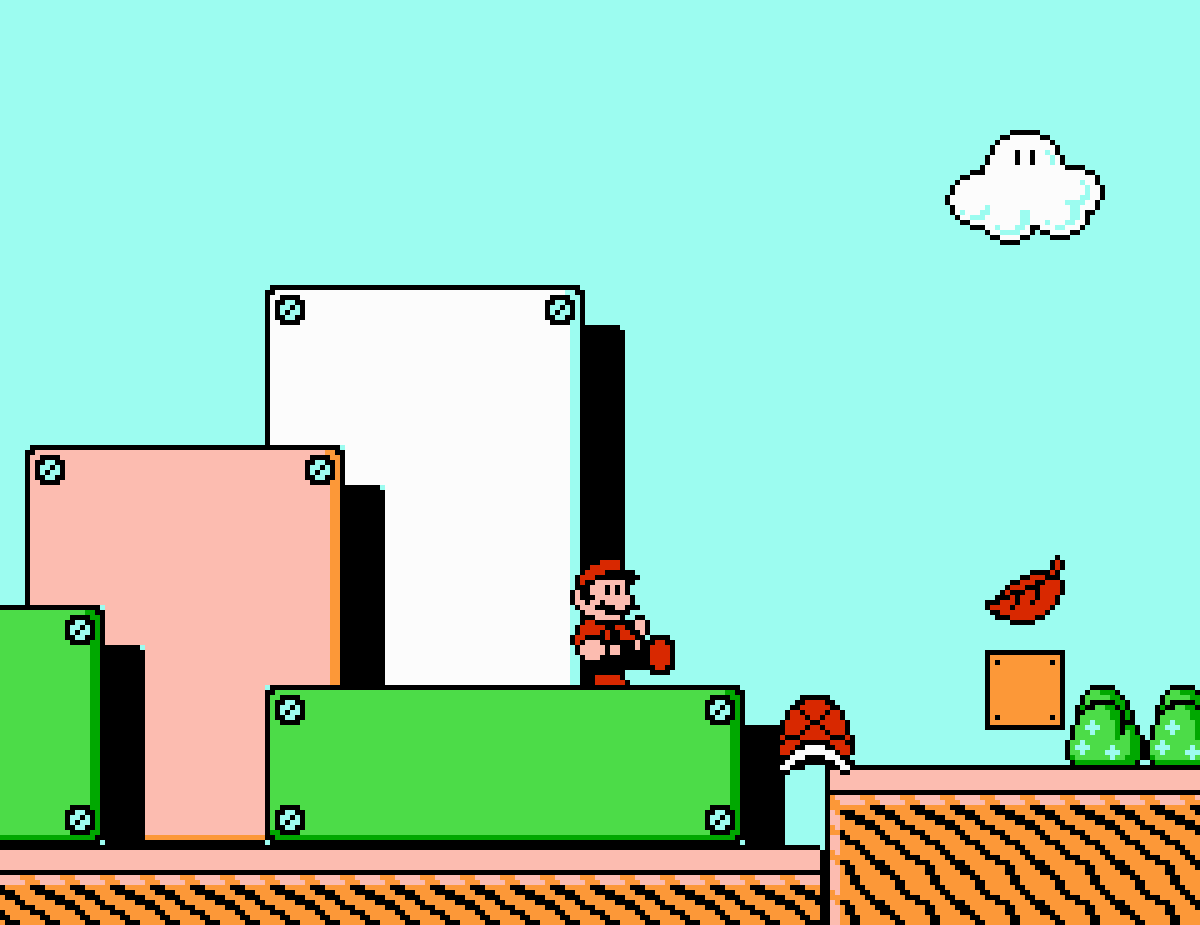
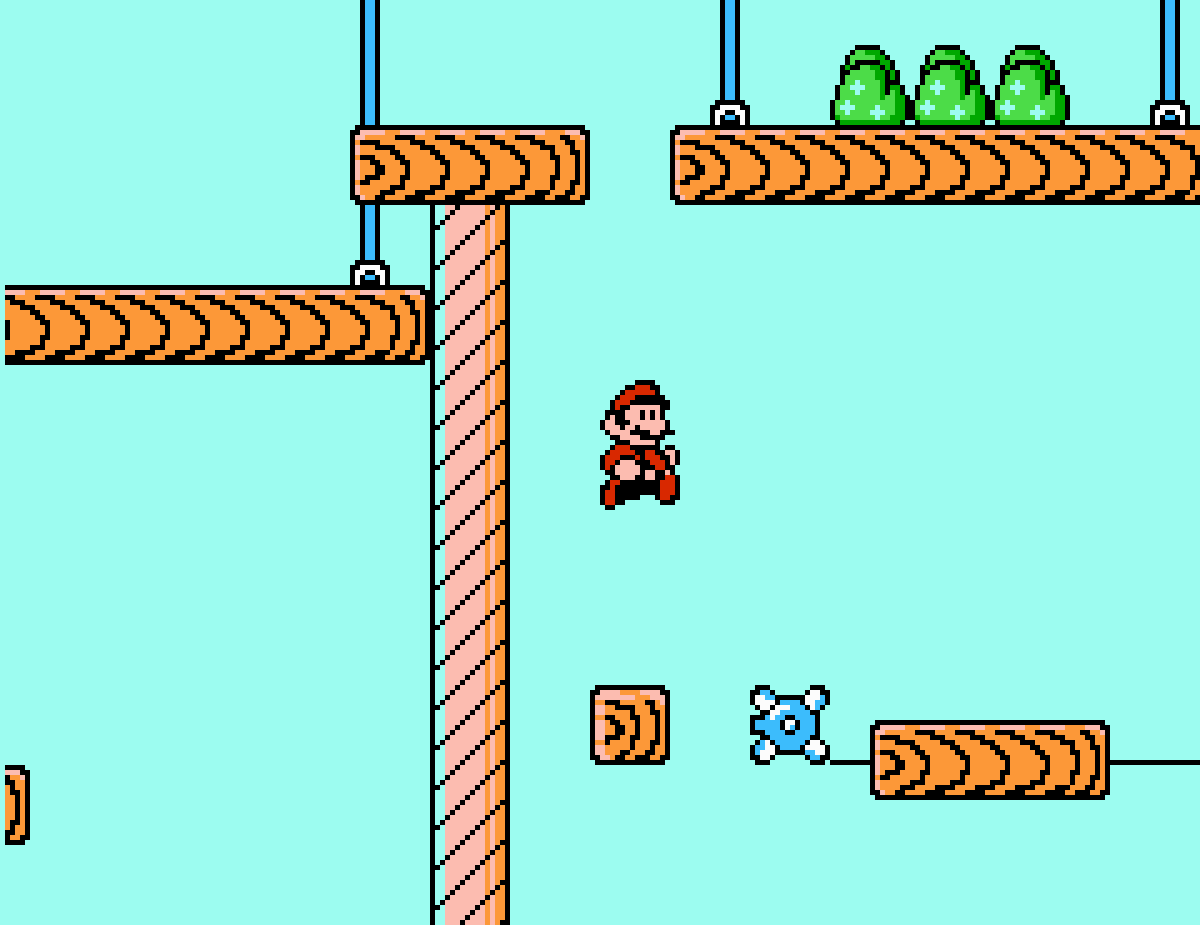
Personally, I see this more as a fun visual motif that was implemented in this one game and then abandoned for subsequent ones. For example, the levels in Yoshi’s Island are decorated in scribbled art that suggests something a child might draw, but that doesn’t mean we’re only meant to interpret this game as a story a child made up. However, some people take the apparent stagecraft evidence and conclude that Super Mario Bros. 3 “didn’t really happen” — and maybe even that none of the games did, so to speak. This larger “it’s all a show” interpretation was validated to an extent by a stray comment made by Miyamoto in a 2012 interview with Game Informer.
Interviewer: Time and again, Bowser kidnaps Peach. Why do Mario and Peach still race go-karts and play tennis with him?
Miyamoto: If you’re familiar with things like Popeye and some of the old comic characters, you would oftentimes see this cast of characters that takes on different roles depending on the comic or cartoon. They might be a businessman in one [cartoon] or a pirate in another. Depending on the story that was being told, they would change roles. To a certain degree, I look at our characters in a similar way and feel that they can take on different roles in different games. It’s more like they're one big family, or maybe a troupe of actors.
Again, I’ve seen people seize on this last part and conclude that Miyamoto literally meant that Mario and company are actors waiting to be called out on stage for their next role. That’s for sure a way to look at the series, but it falls apart the more you try to force every Super Mario game into it. Rather, my interpretation is that this is a metaphor that Miyamoto is using in an attempt to explain the loose canon that this series has — why the shape of the Mushroom Kingdom changes from one game to the next and why Bowser ranges from bumbling grumpy dad to demonic dragon wizard.
Each game is *like* a play, in that it’s a production that a host of people put together for an audience to enjoy, but it’s not *literally* that… you know, because it’s a video game.
73: Centaur Mario = a workaround for Yoshi?
The January-February 1990 issue of Nintendo Power let slip that one of the power-ups considered but rejected for Super Mario Bros. 3 was Centaur Mario.
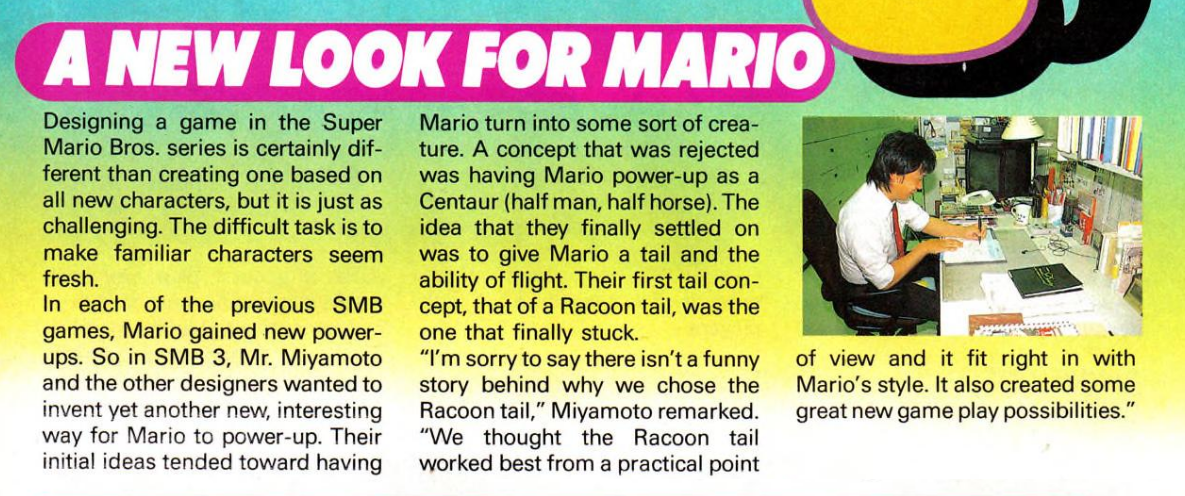
Because I was a little weird kid who liked Greek mythology, the prospect of Centaur Mario stuck in my head ever since I read this bit of behind-the-scenes information. As an adult, however, I realized that Centaur Mario was probably a manifestation of something that Nintendo in general and Miyamoto specifically had been trying to implement for years, which was putting Mario on the back of a trusty steed — and not necessarily the dinosaur he’d eventually end up on.

This famous art, showing a Mario sprite that looks more like the one appearing in Super Mario Bros. than it does any of the sequels, shows Mario riding two potential dino-pals: one a four-leggened brontosaurus-esque creature, and the other a winged creature with a pointed stout and a set of long, ostrich-like legs.
The 2017 developer roundtable promoting the Nintendo Classic Mini puts the first attempt at a rideable mount closer to Super Mario Bros. 3, however, but notes that Miyamoto’s love of horseback riding may have been the genesis of it.
Akinori Sao, interviewer: I’d like to ask about Yoshi. Super Mario World has several noteworthy characteristics. One is that it marks Yoshi’s debut. How did Yoshi come to be?
Takashi Tezuka, director of Super Mario World: Shigeru Miyamoto said he wanted Mario to ride a horse!
Sao: A horse? (laughs)
Tezuka: I think he likes horses. (laughs) When we were making Super Mario Bros. 3, he had drawn a picture of Mario on a horse, and hung it on a wall near where he used to sit. I would look at that and think, “I think he wants Mario to ride something.” When we started making Super Mario World, we were working with the concept of a dinosaur land, so I had Hino do art for a kind of reptile.
Shigefumi Hino, character designer: The first keyword was horse, so I imagined something rather large and first drew up a creature like a large lizard.
Sao: A large lizard? (laughs)
Tezuka: It was like a crocodile. (laughs)
Sao: Yoshi is quite different from a crocodile!
And indeed a beta design for Yoshi does look remarkably more crocodile-like than what we got in the final version of the game.
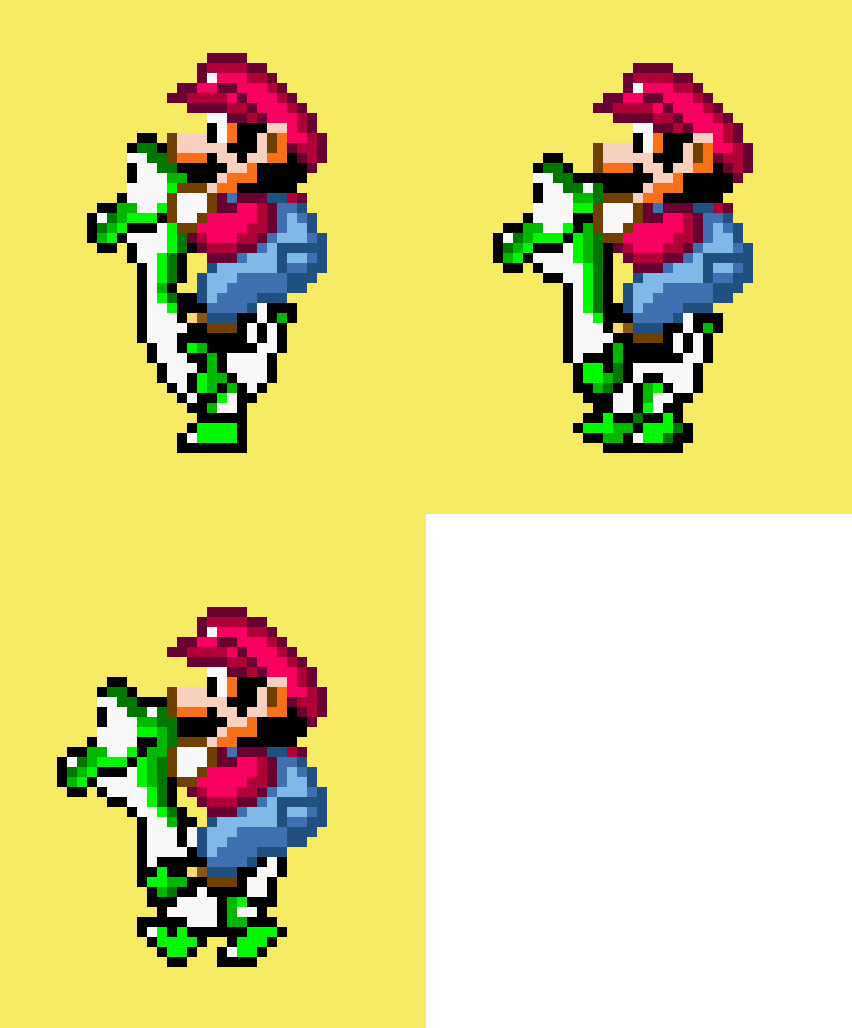
As far as I know, no one at Nintendo has explained the specific technological problem that prevented a Yoshi-like mount from being included in any of the 8-bit Super Mario games. Rideable enemies exist in the most basic way in Super Mario Bros. 2, but Shy Guys ride the ostrich-like enemies in a way that Mario and company can’t. And for what it’s worth, a type of rideable dinosaur buddy existed in the Hudson’s Adventure Island games, but they more or less amounted to a Super Mario Bros. 3-style power-up; one hit and they’d vanish from the stage. Yoshi works differently in Super Mario World, in which he can separate from Mario and can interact with enemies on his own in addition to serving as a power-up. Whatever the case, I do think Centaur Mario probably resulted from someone on the Super Mario Bros. 3 team trying to get a version of this idea into the game even if it ultimately missed the point of what Miyamoto would finally accomplish in Super Mario World.
74: One of Yoshi’s signature noises is another Nintendo callback.
Much in the way that the “transformation” power-up noise from Super Mario Bros. 3 reuses a sound effect from Mysterious Castle Murasame, the noise of Yoshi hatching from his egg is also lifted from an earlier game. It’s basically the same noise as the one heard in 1984’s Devil World, when the li’l baby dragon protagonist, Tamagon, hatches from his egg.
It’s perhaps notable that hatching from an egg is important enough to Tamagon as a character that it gave him his name, which comes from 卵 or tamago, “egg.”
75: And Yoshi’s name is a link to a real-world monster.
While Yoshi (義) happens to be a male given name in Japanese, it’s also pronounced similarly to the Japanese interjection 良し, meaning something like “alright!” or thereabouts, as well as to the adjective 良い, meaning “good. The story behind how the Super Mario character got his name is a little more complicated. In that 2022 Nintendo Dream interview I keep mentioning, Miyamoto keeps the explanation short and sweet. “Throughout development, we called him Yoshi. The staff member who designed Yoshi called him that, and the name stuck,” he says. But a 2016 article in GAME Watch featured an account from Yoichi Kotabe that elaborated further. As he recalled it, Yoshi’s name came from a combination of a nickname for Mie Yoshimura, an illustrator at Nintendo, and the Japanese rendering for the name of Nessie, the dinosaur-like cryptid that supposedly inhabits Scotland’s Loch Ness. Written in katakana, Nessie’s name is ネッシー or Nesshī. It’s explained in detail at Legends of Localization, but this should help account for why Yoshi’s name gets rendered in some Japanese materials as Yossy.
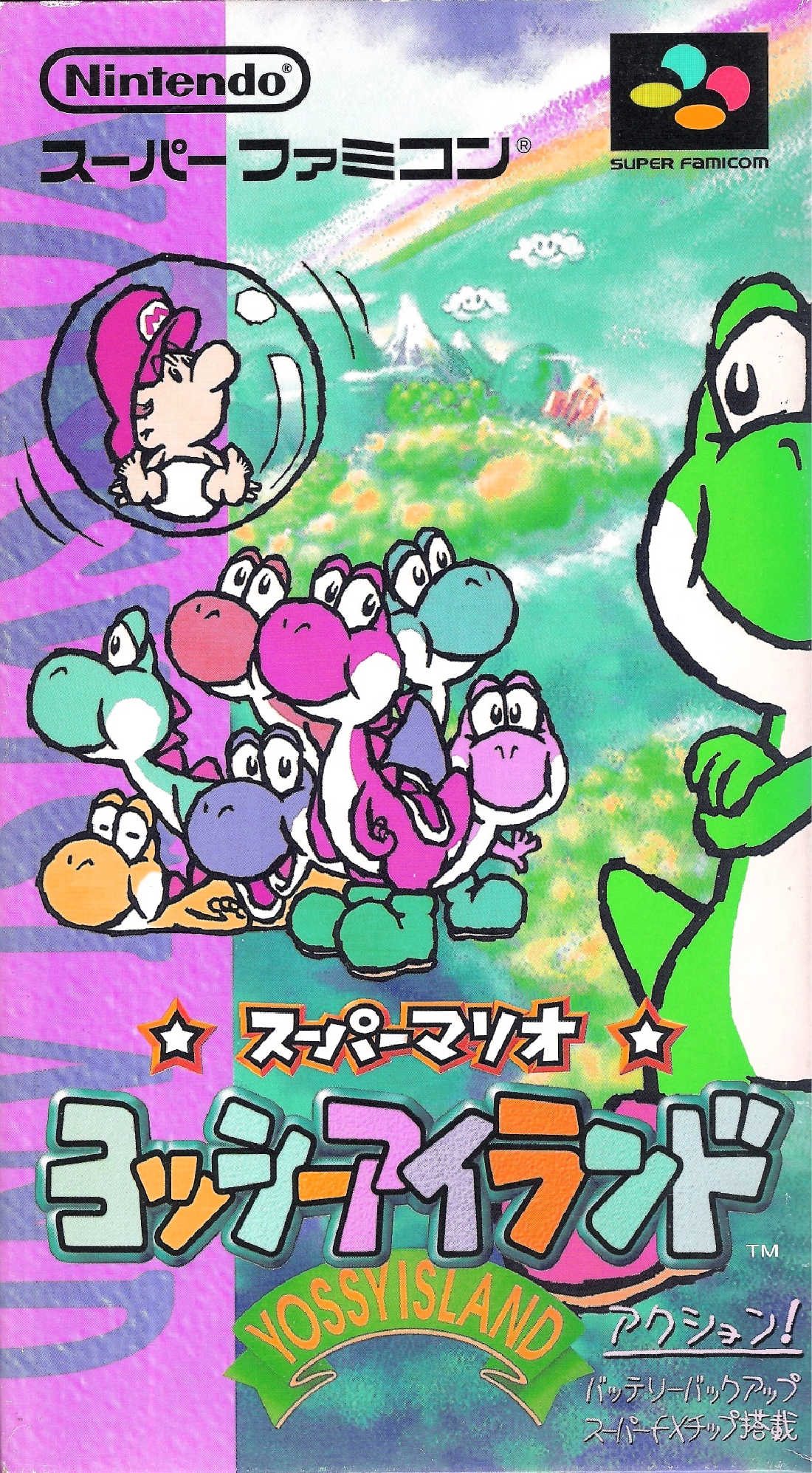
However, both Yoshi and Nessie’s Japanese names feature the -sshi suffix that denotes dinosaurs or dragons or both and which is common to various lake cryptids, like Issie (イッシー or Isshī) in Japan’s Lake Ideda and Tessie (タッシ or Tassy) in Earthbound. The same suffix appears in other dino-adjacent Super Mario characters, linking them to both Yoshi and Nessie. For example, the Japanese name of Dorrie, the Nessie-like dino introduced in Super Mario 64, is ドッシー or Dosshī, with that first syllable theoretically being taken from ドラゴン or doragon, “dragon.” And Super Mario 3D World’s Plessie is known in Japan as プレッシー or Puresshī, presumably a combination of plesiosaur and that same suffix.
Navigation:
Part One (1-15): Mario and Luigi origins / Donkey Kong and Mario Bros.
Part Two (16-30): Bowser, Peach and Toad / Super Mario Bros.
Part Three (31-45): The enemies of Super Mario Bros.
Part Four (46-60): Super Mario Bros. miscellany / Super Mario Bros. 2
Part Five: (61-75): Super Mario Bros. 3 and Super Mario World
Part Six (76-90): Yoshi and Donkey Kong (and friends)
Part Seven (91-101): Various beloved supporting characters and also Stanley the Bugman
Part Eight (102–116): A sort of junk drawer including Peach’s dad, Bowser’s wife and the infamous field horsehair plants