

When Did Luigi Get His Own Look?
This is the story of one lowly plumber’s heroic journey to find his own face.
The original Mario movie — the 1986 anime titled Super Mario Bros.: The Great Mission to Rescue Princess Peach! — offers us a snapshot of how Nintendo was developing the world that surrounds these games. The original Super Mario Bros. game went on sale September 13, 1985, and the Japan-only sequel — the one we in the west call The Lost Levels — hit shelves on June 3, 1986. And while the two games look more or less the same on screen, The Lost Levels saw the introduction of new art by Yoichi Kotabe, who’d go on to illustrate the series for decades. Compared to what had accompanied the first game, it’s the first time the major players in the Super Mario series look like what we’d recognize today.
Take a look at renderings of Mario, Peach and Bowser, all by Kotabe.
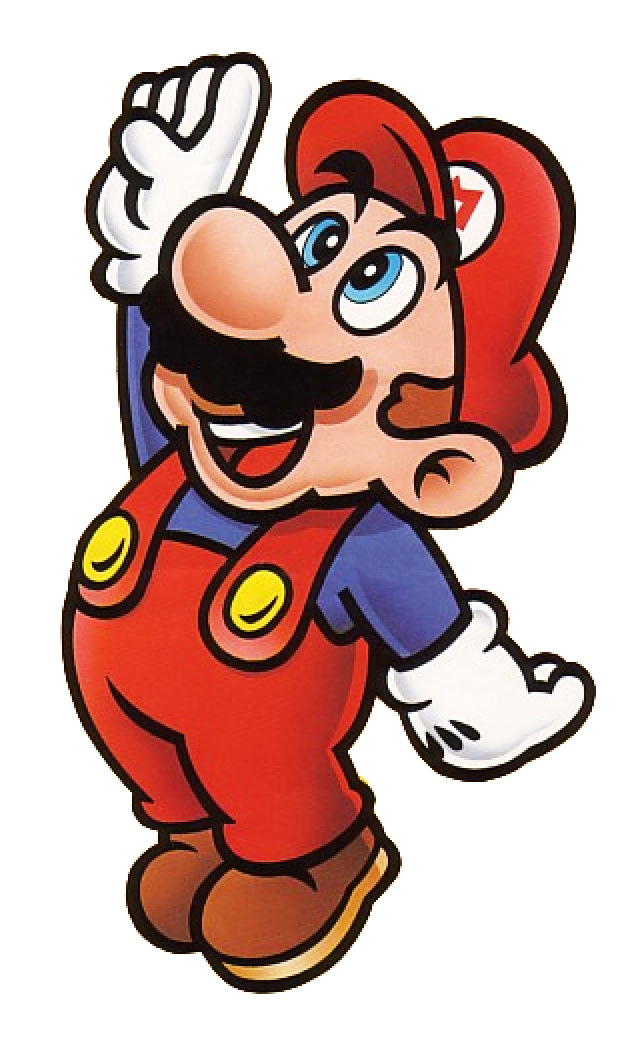
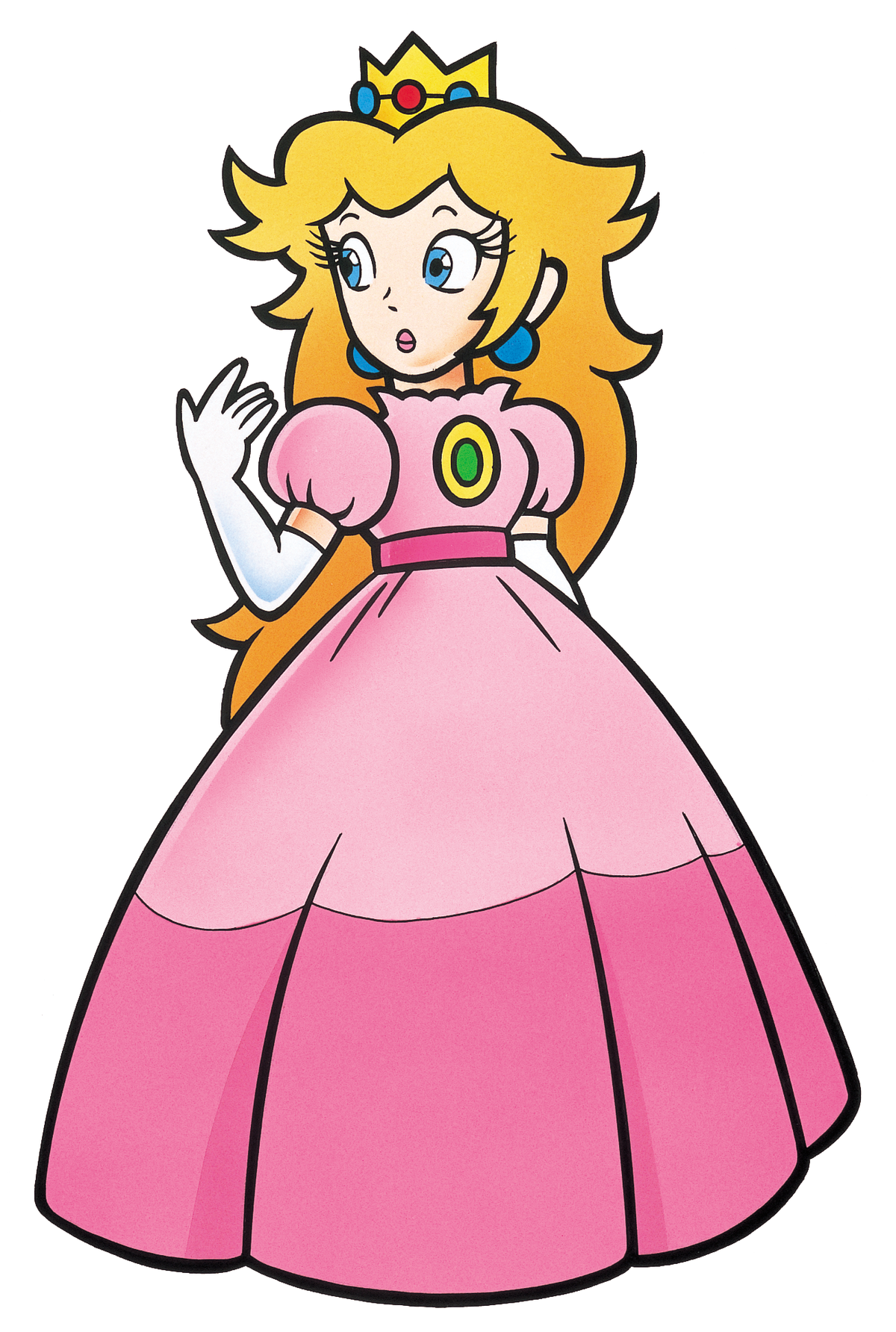
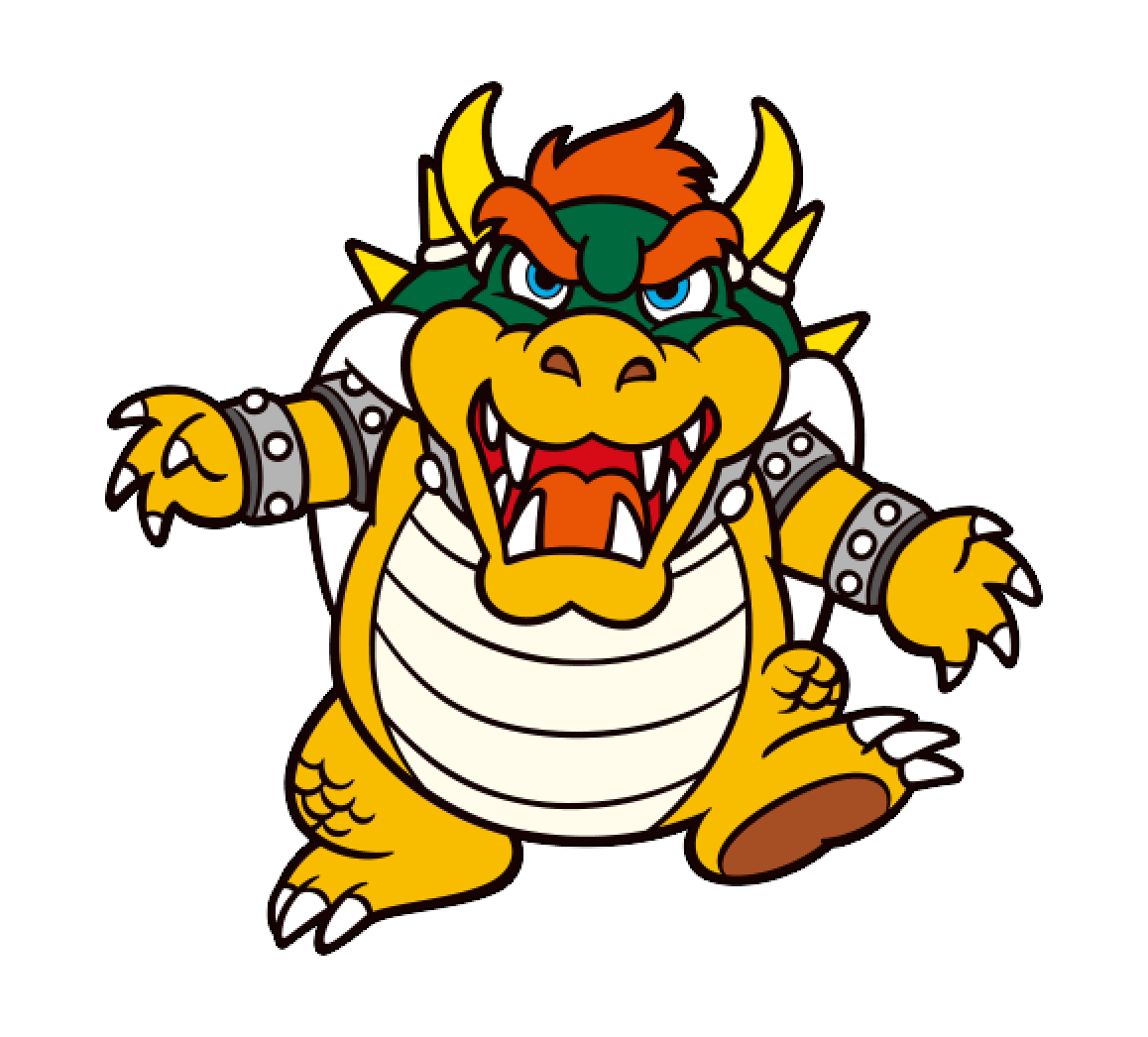
And then compare those to, for example, the Japanese box art for Super Mario Bros., which was drawn by series creator Shigeru Miyamoto, where nearly everyone looks a little off.
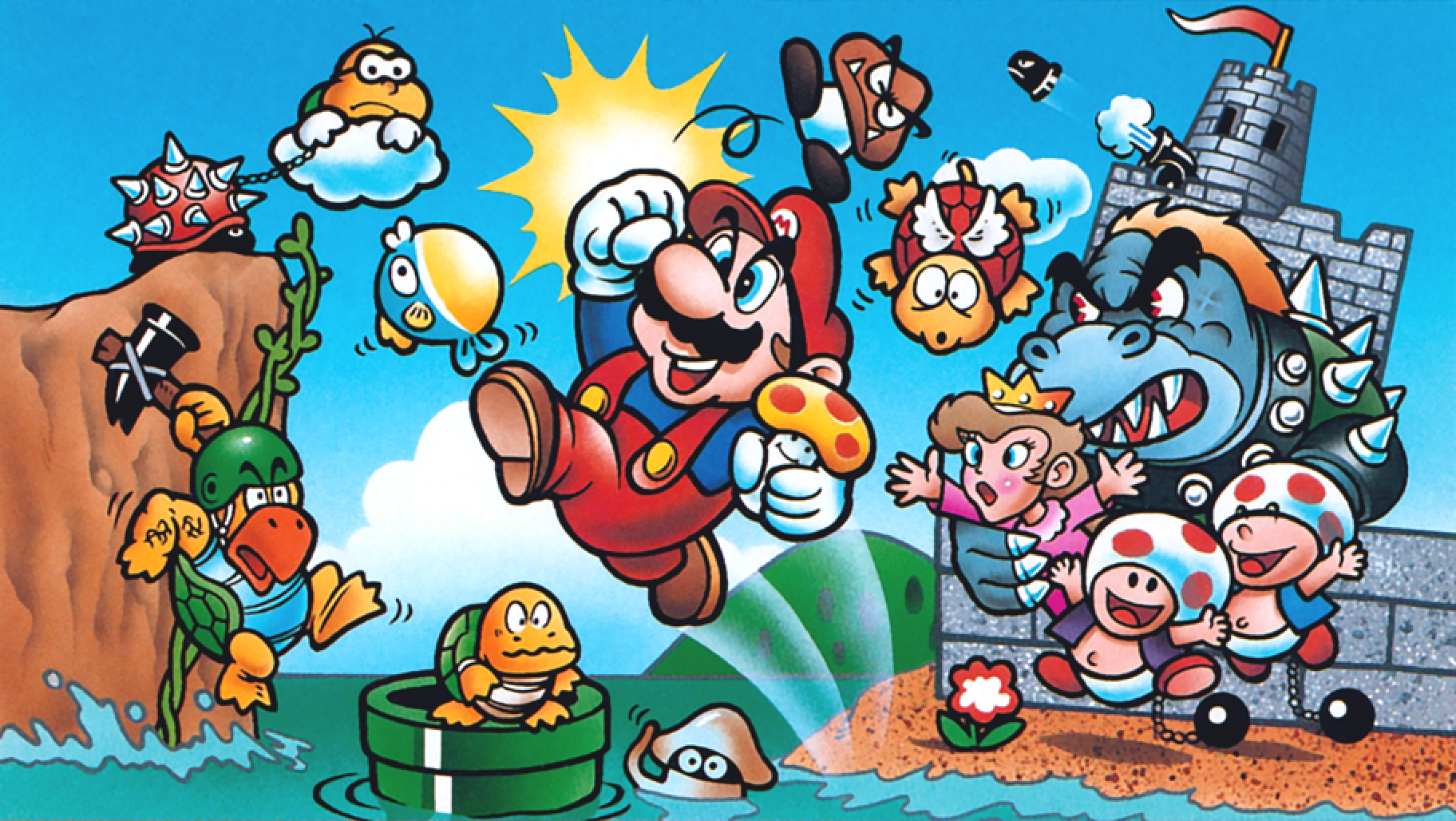
Mario actually looks pretty good. Lakitu seems more or less accurate. The Koopa Troopas are lacking the beaky muzzles they’d eventually have. That Hammer Brother seems unsettling for reasons I can’t put my finger on. Bowser is blue and for some reason he doesn’t have horns. Peach is an early draft who looks like she’s wearing jammies. The Toads seem slightly… irregular. I would say that everyone’s there, more or less, but the image is totally lacking in Luigi.
Since Kotabe was refining the look of all the main Super Mario Bros. characters, you’d think that would have included Luigi as well. However, if that art exists, it has never been shared with the public, at least as far as I know. We don’t seem to have any official Nintendo illustration from this era showing Luigi looking as we know him now: taller, skinner, and with a neatly parted moustache as opposed to Mario’s curlier one. And I don’t think this art was shared with any of the entities that were creating merchandise back in the day. If you did see Luigi, he essentially looked identical to Mario, just with green shirt.
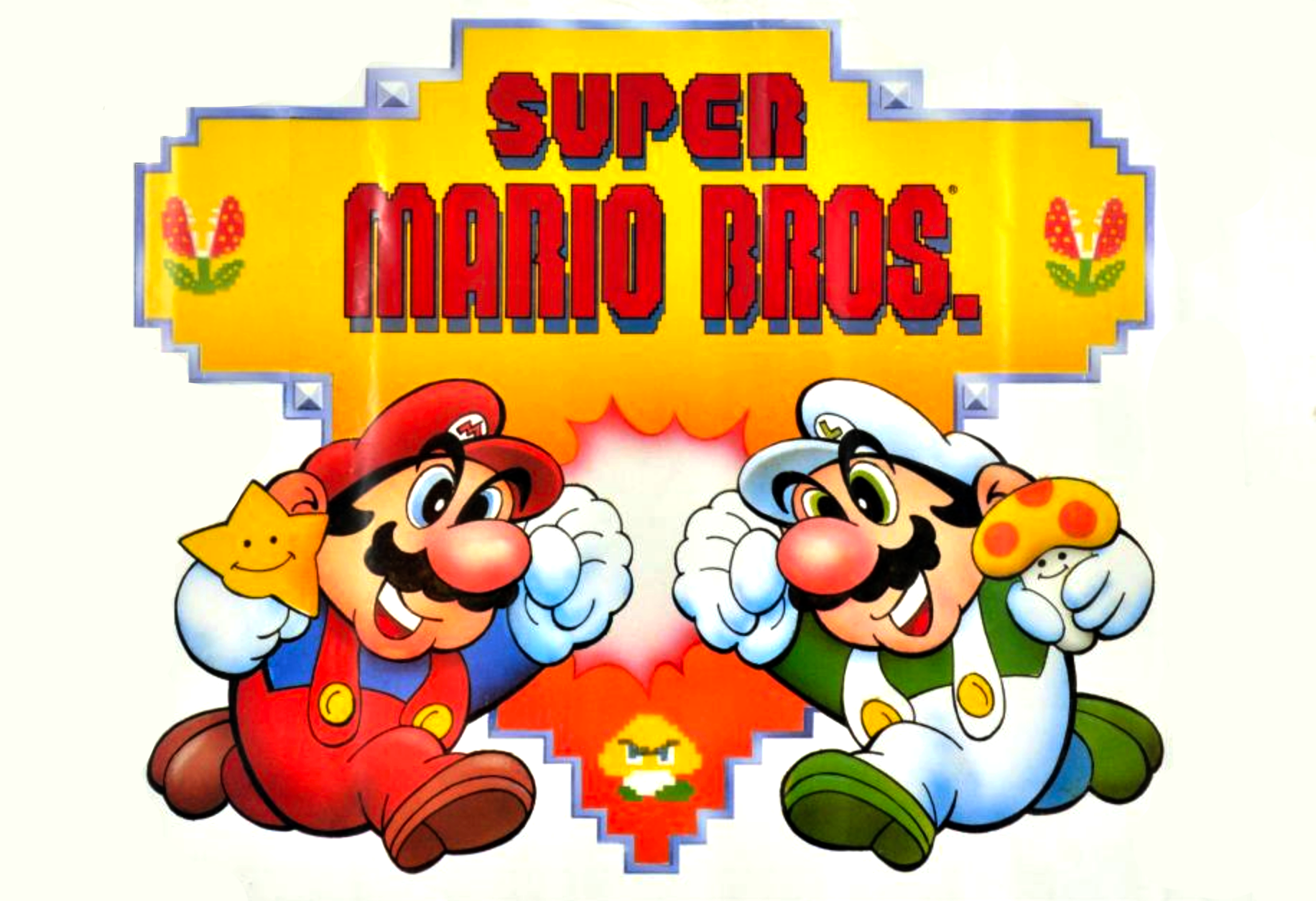
For example, there was a whole lot of products bearing some variation on this image: Mario, star in hand, jumping toward a “twin” Luigi, who was holding a mushroom.
Less common was versions of Luigi where someone had swapped the color of Mario’s overalls — like with this official Super Mario Bros. bookmark, which I think I’ve had since… the second grade?
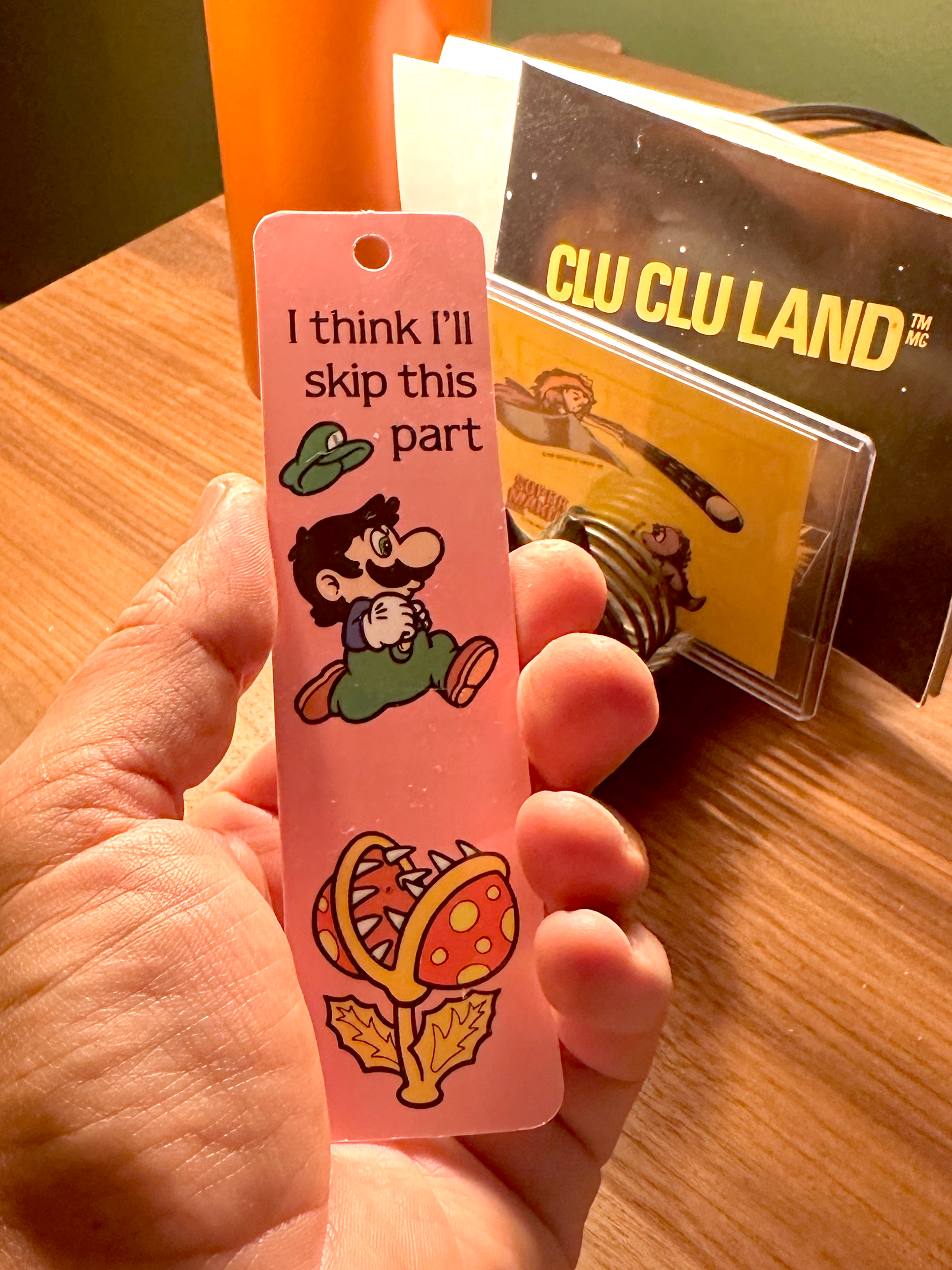
EDIT: Despite having this for years, I didn’t realize until it was pointed out in a comment on this post that they actually did change the mustache for this art, despite the fact that it’s clearly Mario’s body, color-swapped.
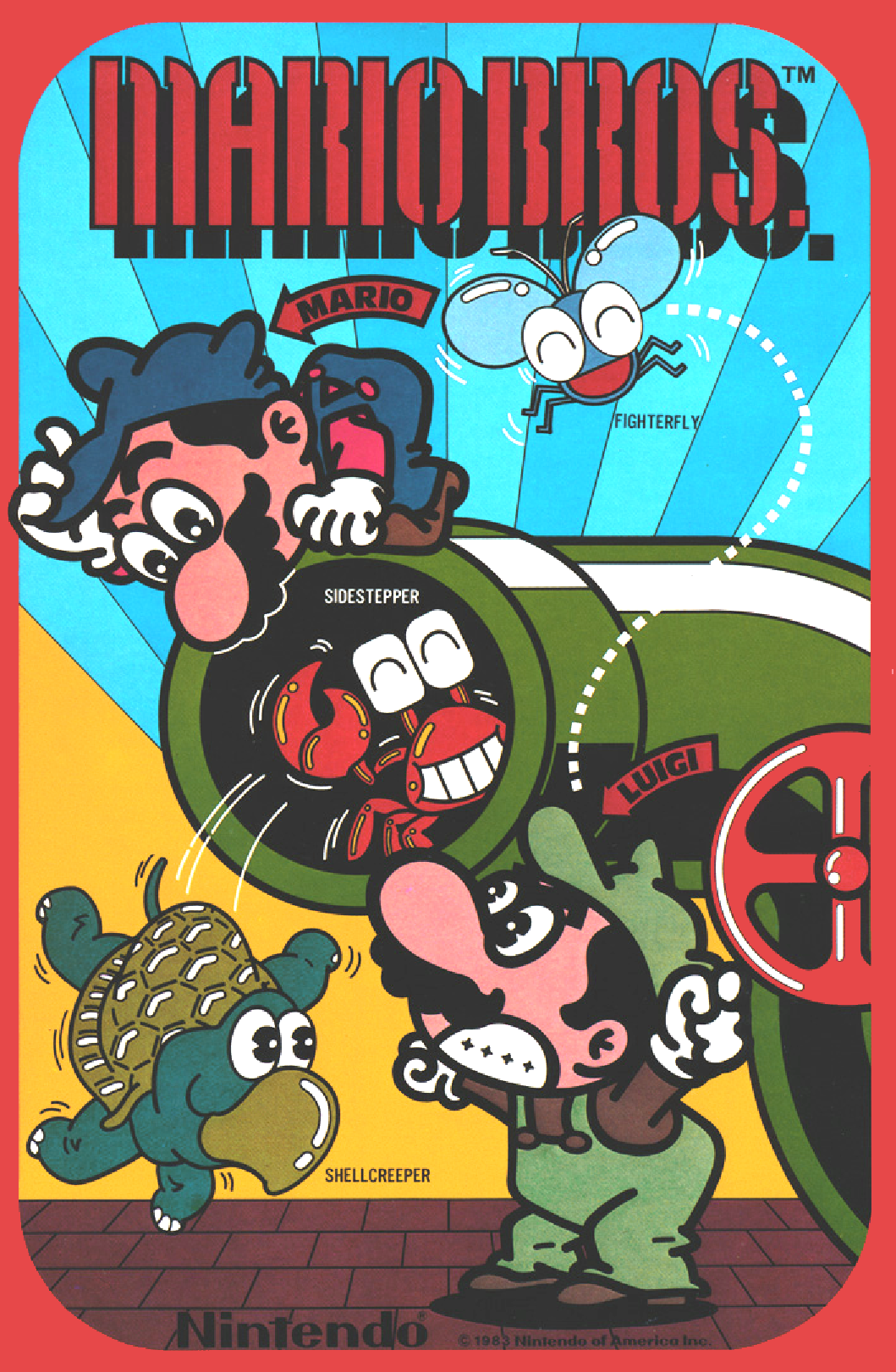
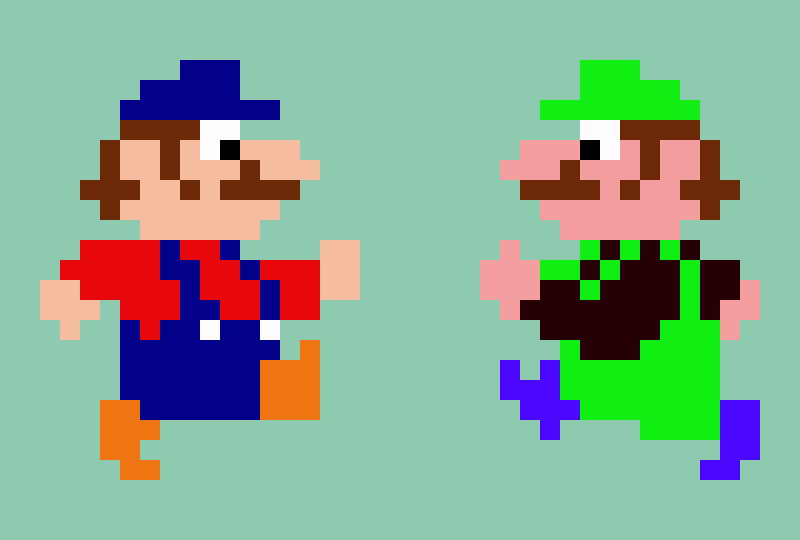
This would not be new for ol’ Luigi, however. He’d essentially been a palette swap of Mario on screen and off ever since his debut. The arcade game Mario Bros., released in March 1983, not only gave Mario a makeover to make him look squatter, cuter and more cartoonish than he did in his Donkey Kong days, but it also paired him with an identical brother who wore different colors.
The fact that Luigi originated being derivative of Mario makes me think there’s something to the theory that he got his name as a result of it sounding like the the Japanese word 類似 or ruiji, but that is a matter I will tackle in an upcoming post.
It’s more of an asterisk than anything, but the arcade version of Mario Bros. is not actually Luigi’s first appearance. The development of the arcade Mario Bros. was complemented by the parallel development of a Game & Watch title by the same name. This handheld version went on sale in North America on March 14, 1983, nine days before the arcade Mario Bros. made its official debut at the 1983 Amusement Operators Expo in Chicago, which opened its doors on March 25. (The game made its general arcade debut the following summer.) As a result, Luigi technically showed up on the Game & Watch Mario Bros. first, not that many people remember this today.
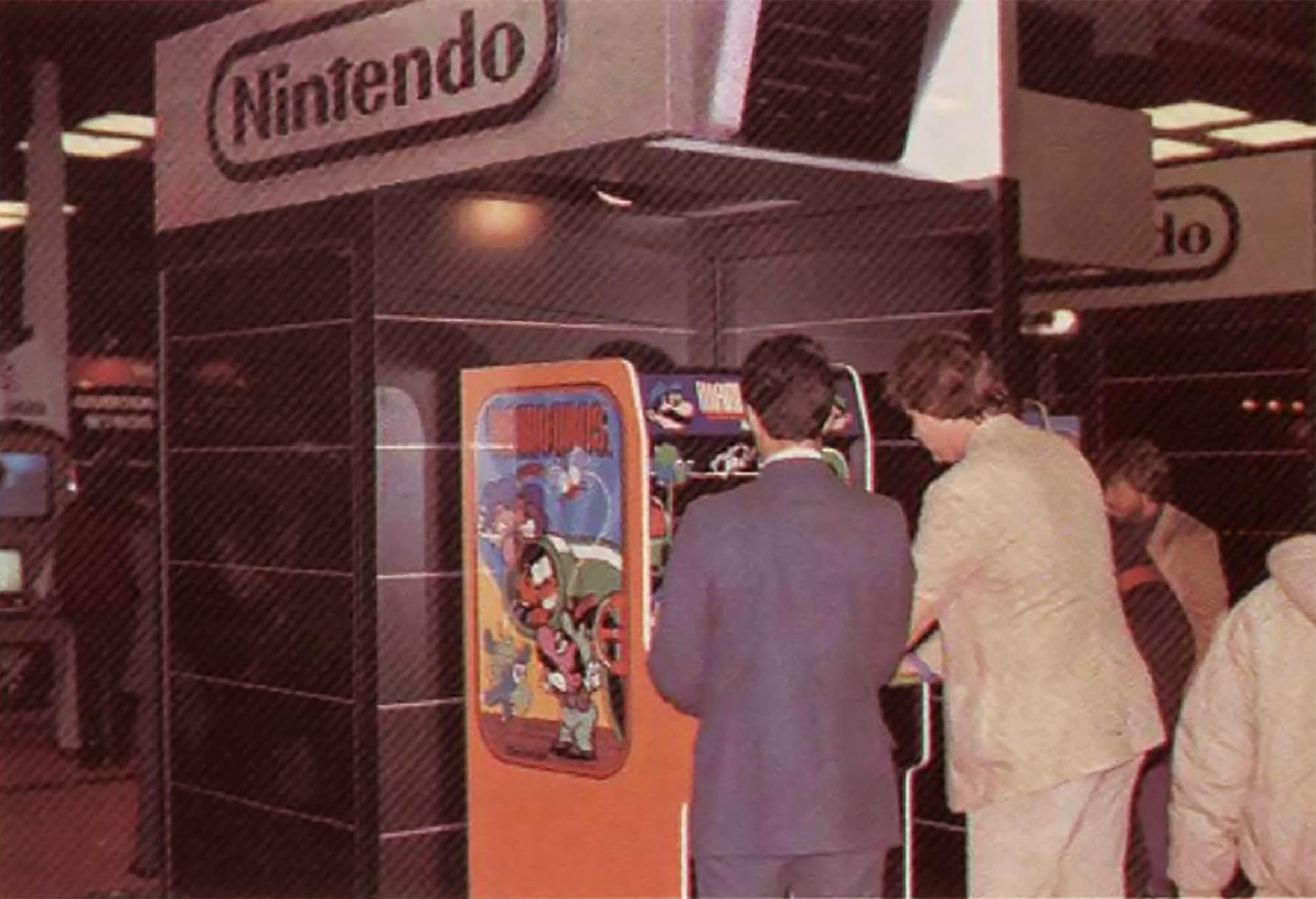
The Game & Watch version is not even a shrunken-down version of the arcade Mario Bros., either; it’s an entirely separate game. Instead of fighting critters in the sewer, the handheld version has the brothers working in a bottling plant, with the brothers sending bottles back and forth on conveyor belts in an effort to load them onto a truck. Because Mario and Luigi are rendered on LCD screens, their figures in-game are identical. They’re basically both Mr. Game & Watch with the circle head swapped out for one that has the trademark potato nose and cap, so you can tell they’re supposed to represent something specific, but there’s nothing onscreen to tell you which one is Mario and which is Luigi.
The box art for the standard version of the game has Mario and Luigi looking as they do in the arcade Mario Bros., though Luigi is sporting a red undershirt rather than a brown one.
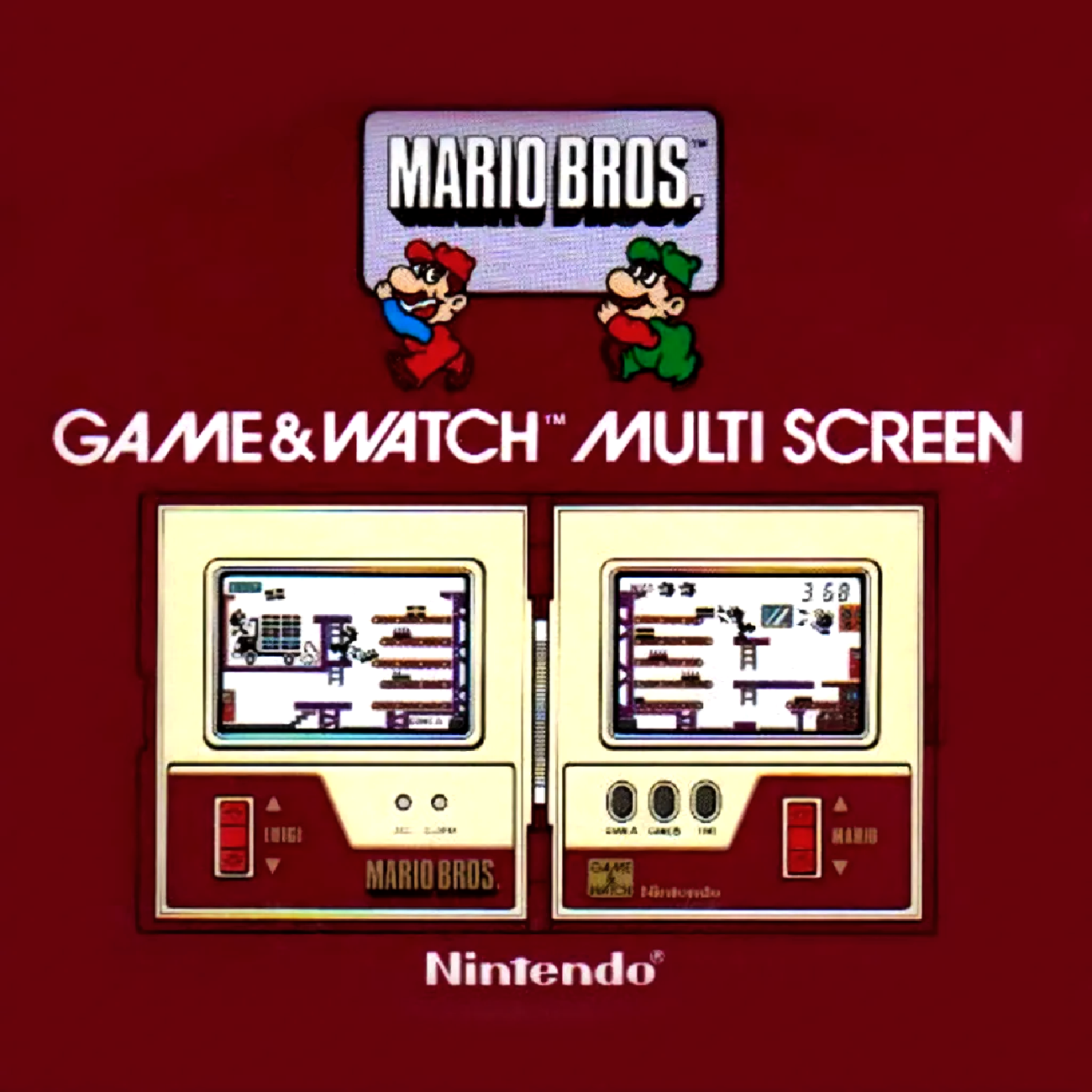
The “pocketsize” re-release features new, alternate artwork of both brothers that is as far as I know unique, though Mario and Luigi are once again identical except for the color of their clothing.
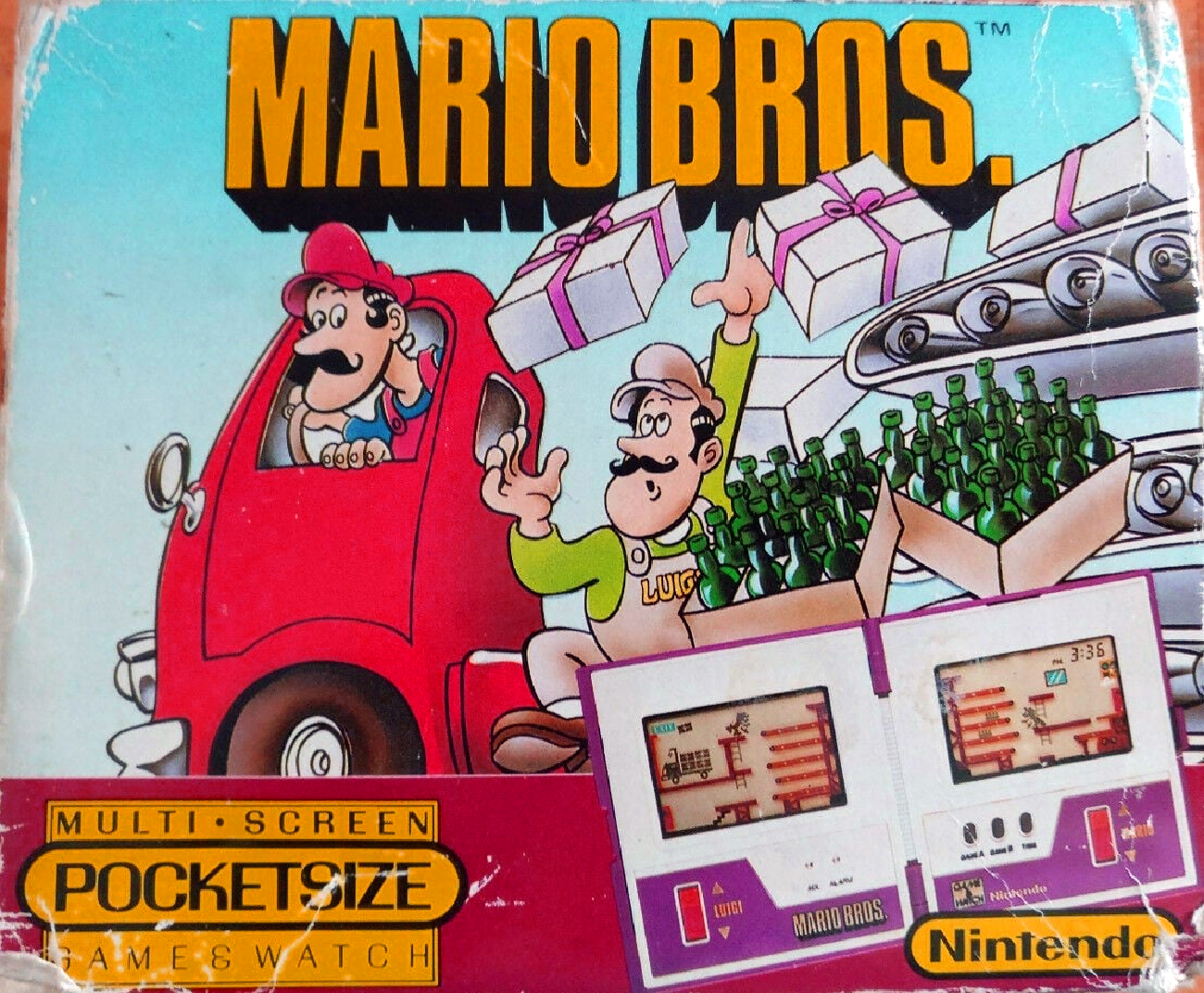
You can even see a rendering of Luigi in which done in the style of Miyamoto’s original box art on the cover of Mario no Daibōken, a VHS strategy guide for the game, and then repurposed for the cover of the All Night Nippon rerelease. I’m not sure who drew it. I suspect it was not Miyamoto. But once again he looks like Mario’s twin, just sporting a different color combo — and I’m not sure we’d ever see light blue overalls with a green shirt again.
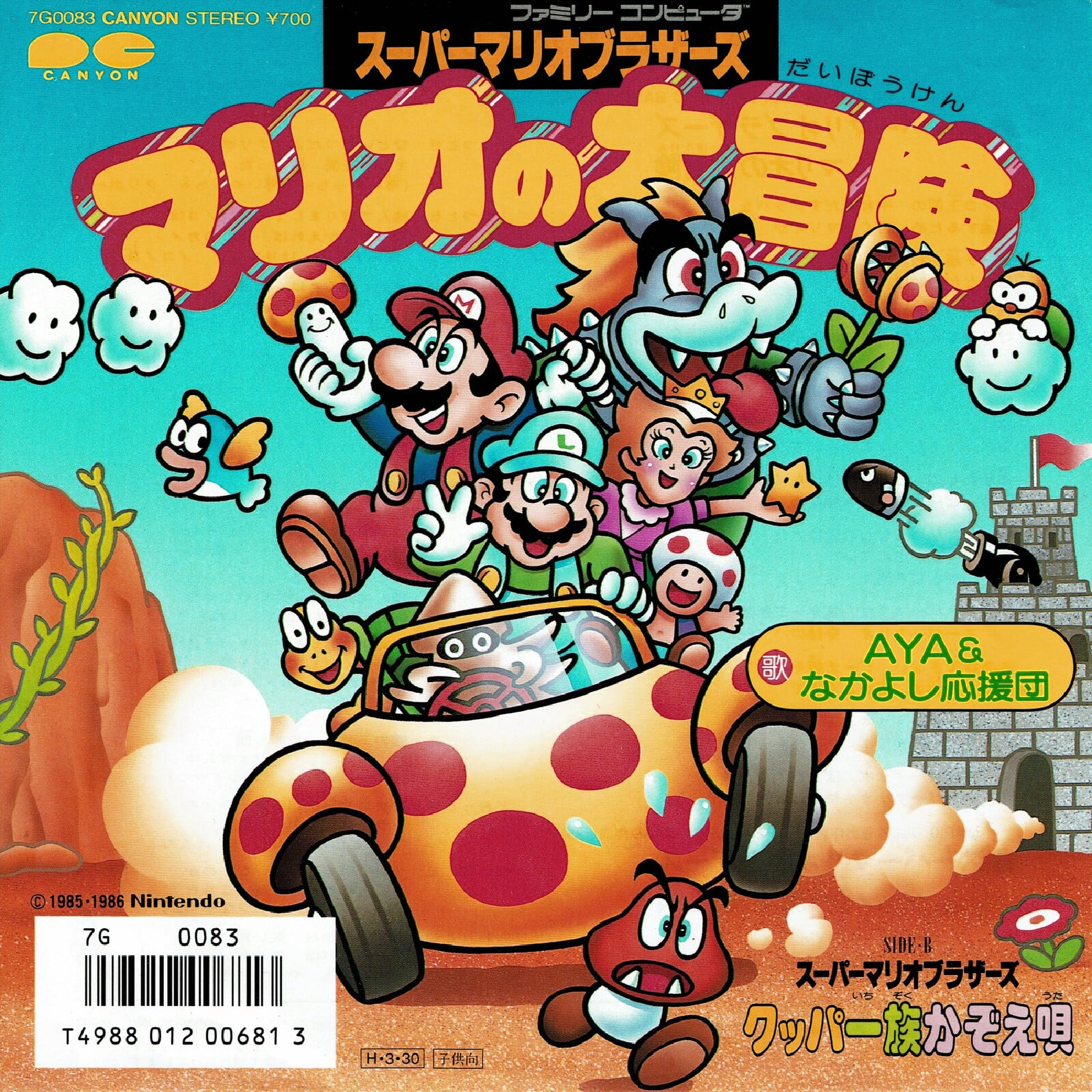
All of this is to demonstrate that by the time The Great Mission to Rescue Princess Peach! went into production, the only thing that had really been nailed down with Luigi is that he looked just like Mario but wearing different colors, though there was no consensus on what those colors should be. That’s probably why the movie’s version of Mario, Peach and Bowser look very accurate to their Yoichi Kotabe renderings but Luigi still looks a little weird. I’d say blue overalls with a yellow shirt is also a one-off in Luigi’s gallery of looks, but it actually comes up as one of his alternate color schemes in Smash Bros. — I’m guessing as a nod to the anime.
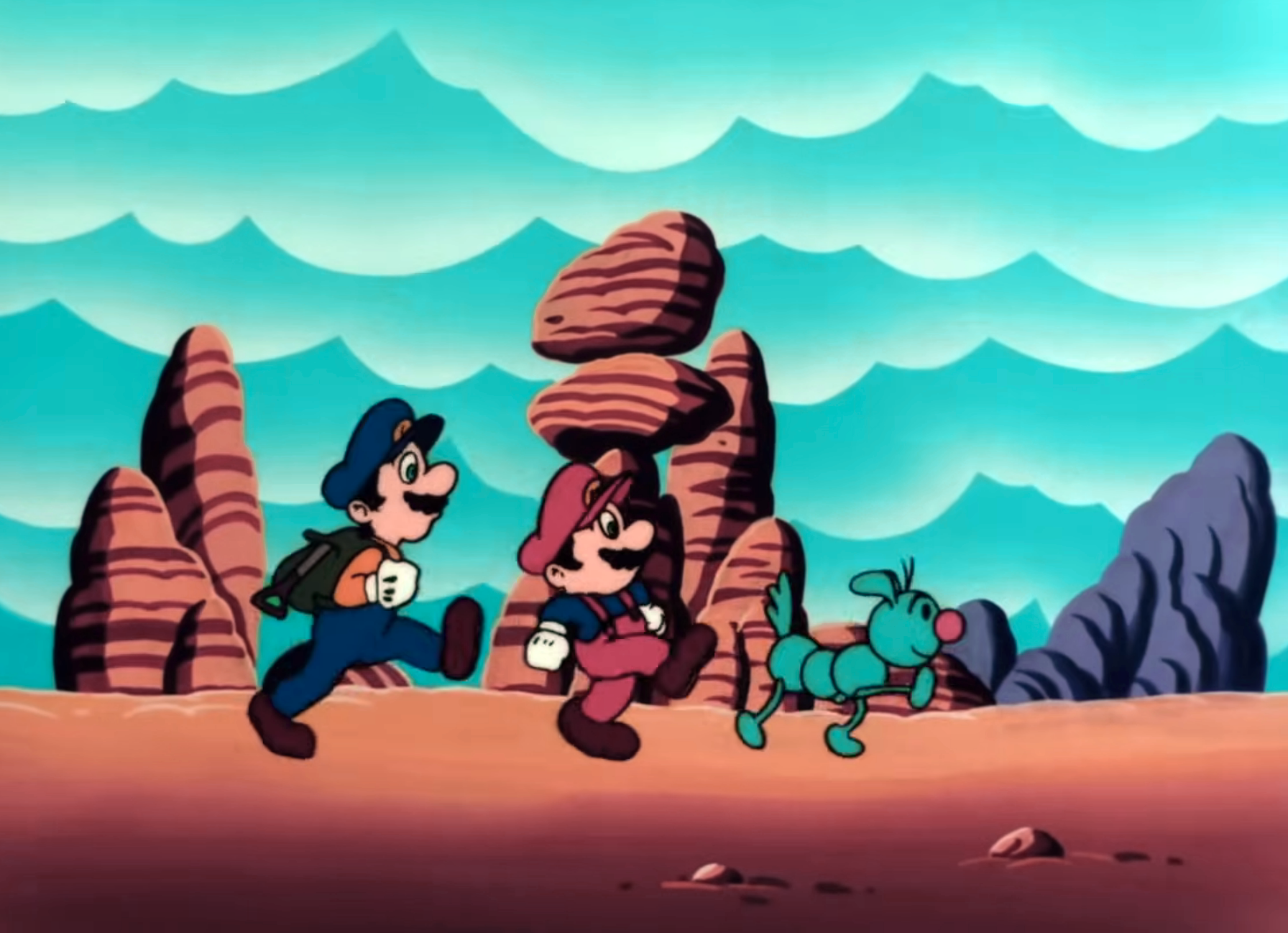
Besides the color scheme, the only similarity I see between the anime Luigi and the one we’d get shortly in official Nintendo art is that he’s taller. He doesn’t look all that much slimmer than Mario nor his mustache any tidier.
Luigi’s first appearance looking more or less as we know him now — taller, thinner, wearing green and with a neatly parted mustache contrasting Mario’s — wouldn’t happen until the Japan-only release Famicom Grand Prix II: 3D Hot Rally.
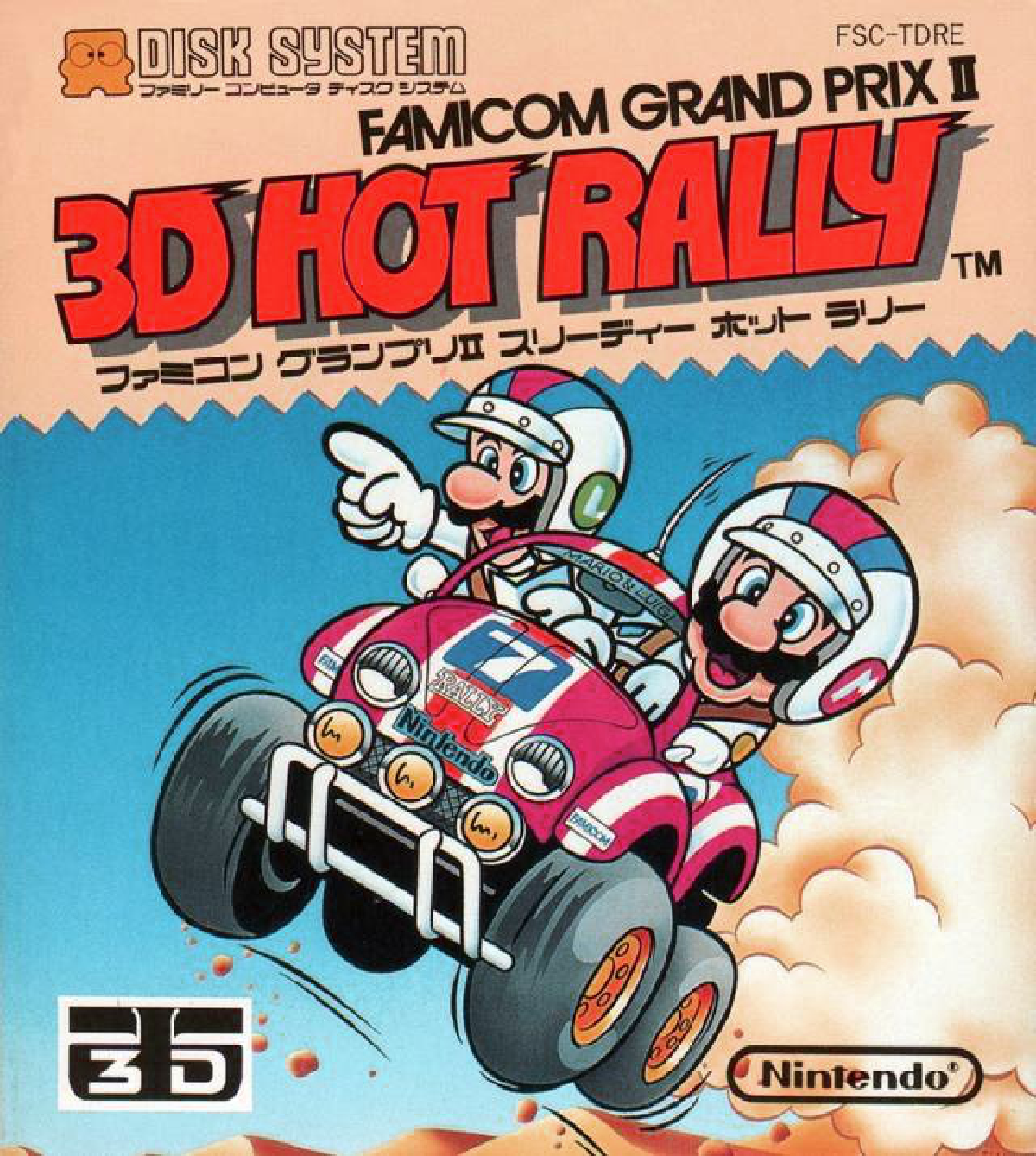
And you can see, the brothers are dressed for racing instead of wearing their typical plumber’s uniforms, but that is definitely our Weege, at long last. And yes, he is in fact taller than Mario.
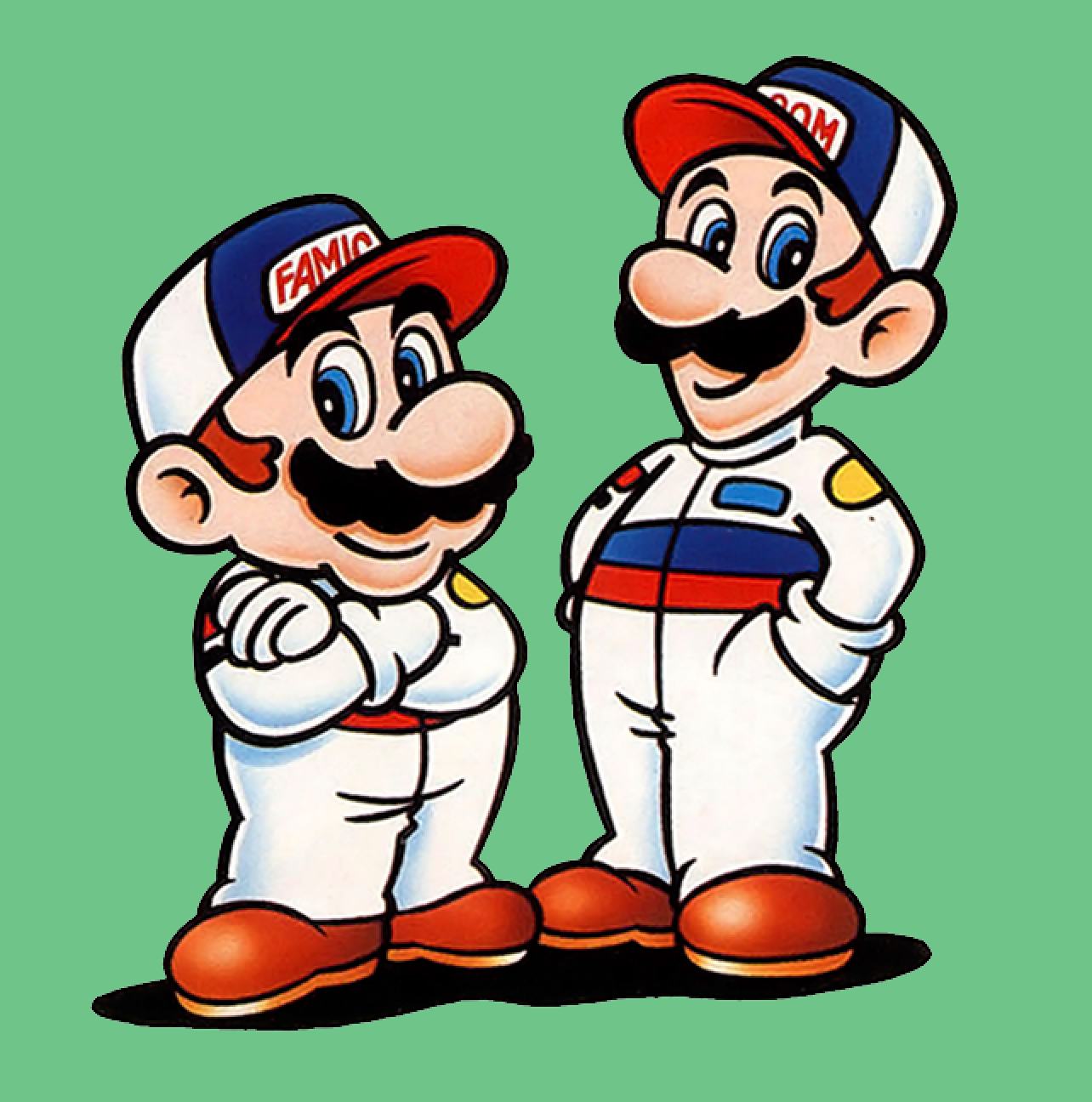
That said, Mario and Luigi amount more or less to window dressing for this racing game. Though Mario is ostensibly the driver of the car and Luigi the navigator, they barely appear in the actual game. In fact, unless I’m mistaken, this image is one of the the only times they do.
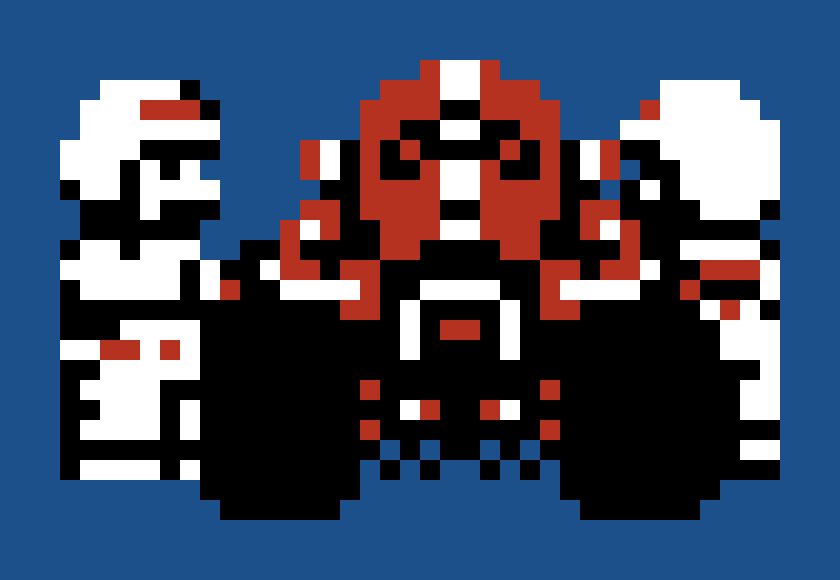
Quick, tell me which one is Mario and which one is Luigi.
So how did an otherwise forgotten Nintendo racing game come to be the debut of Luigi’s new face? Well, it’s actually a lot like what happened with the two versions of Game & Watch, I suspect, with a smaller release squeaking out before the bigger one did. Famicom Grand Prix II was released for the Famicom Disk System on April 14, 1988, just six months before the Japanese release of Super Mario Bros. 3, which also features the new “green stringbean” Luigi in official art. Either it took until the third game for Kotabe to draw up his own take on a Luigi that didn’t look identical to Mario or it took Nintendo until the third game to implement it. I’m not sure, but this new version of him seemed to be floating around Nintendo’s offices during the production of Famicom Grand Prix II, hence it showing up in promo art for it first. I would imagine if someone had attempted to draw Luigi in the old style — looking just like Mario — someone would have pointed out that they had this new look debuting anyway in Super Mario Bros. 3, and Famicom Grand Prix II might as well use that. In fact, it’s entirely possible that Mario and Luigi weren’t added until late in production. That might explain why their appearance in game is so minimal, and it would have been fairly easy to draw up art that made the game seem more Mario-centric than it actually was. But soon enough Super Mario Bros. 3 also came out, and we finally got to see a finalized Luigi: tall, skinny, parted stache, green undershirt.
There’s just not that much art of him. In fact, I think he only appears in two pieces of SMB3 art — and in both, he’s essentially making a cameo in a scene starring his brother.
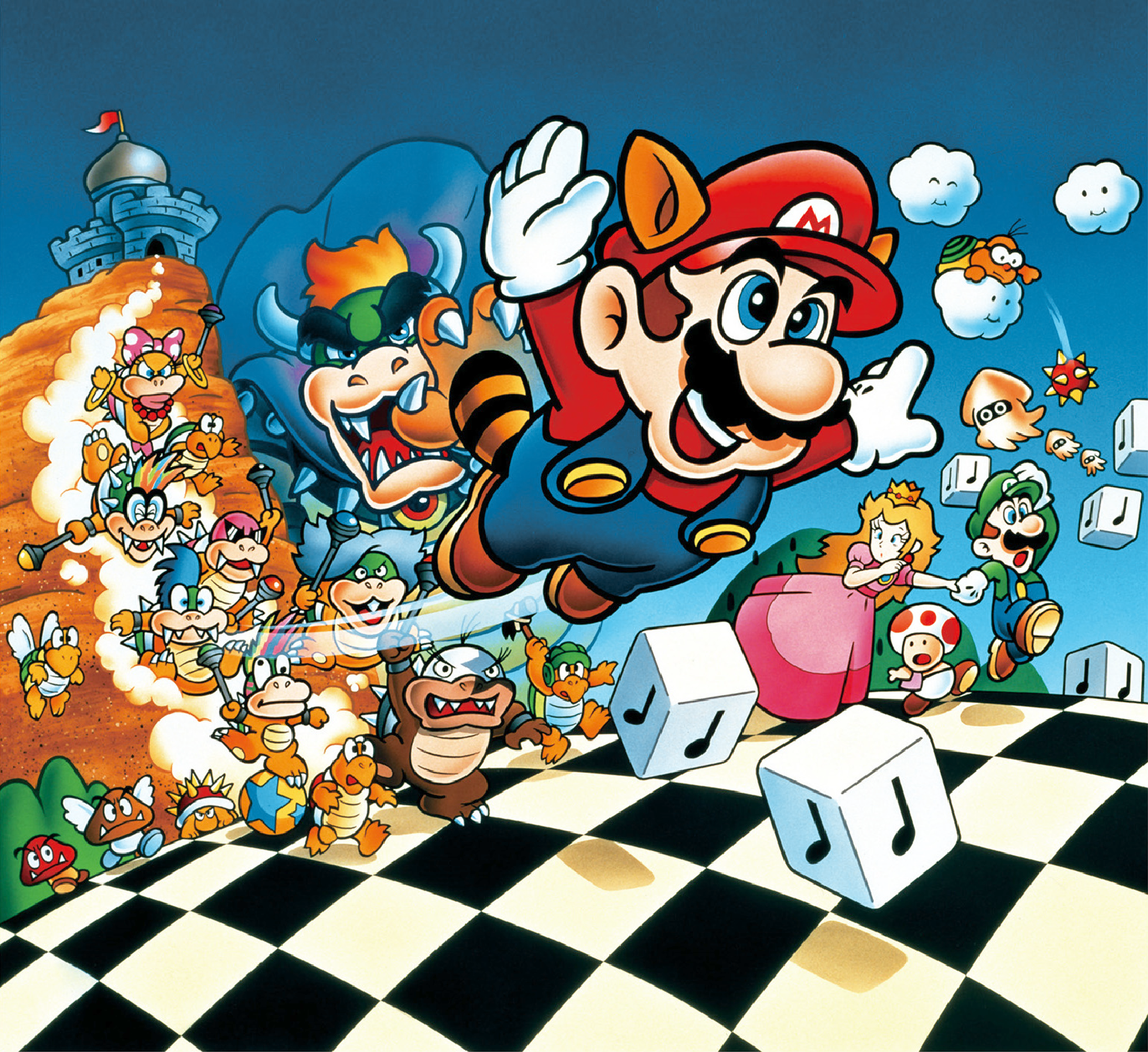
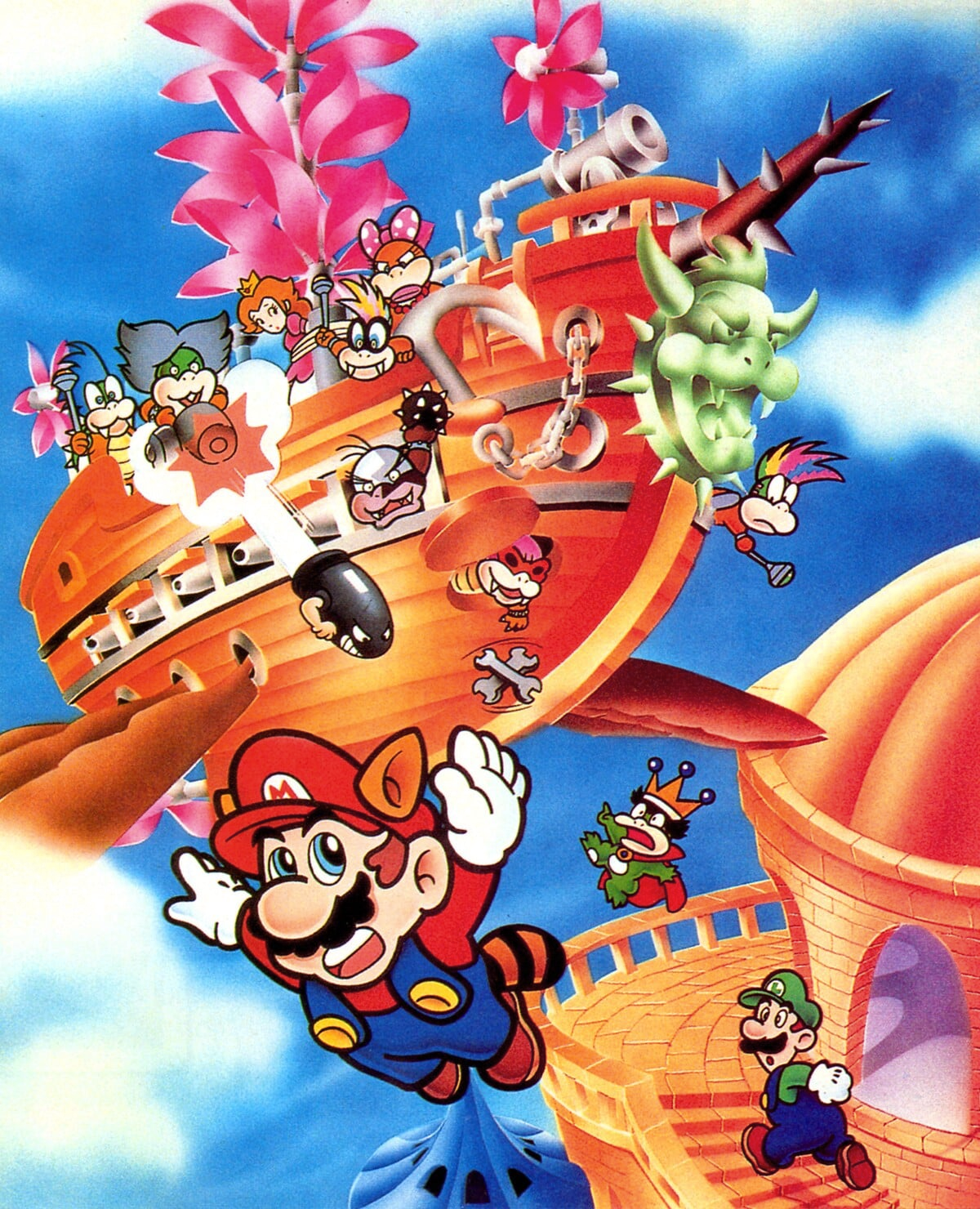
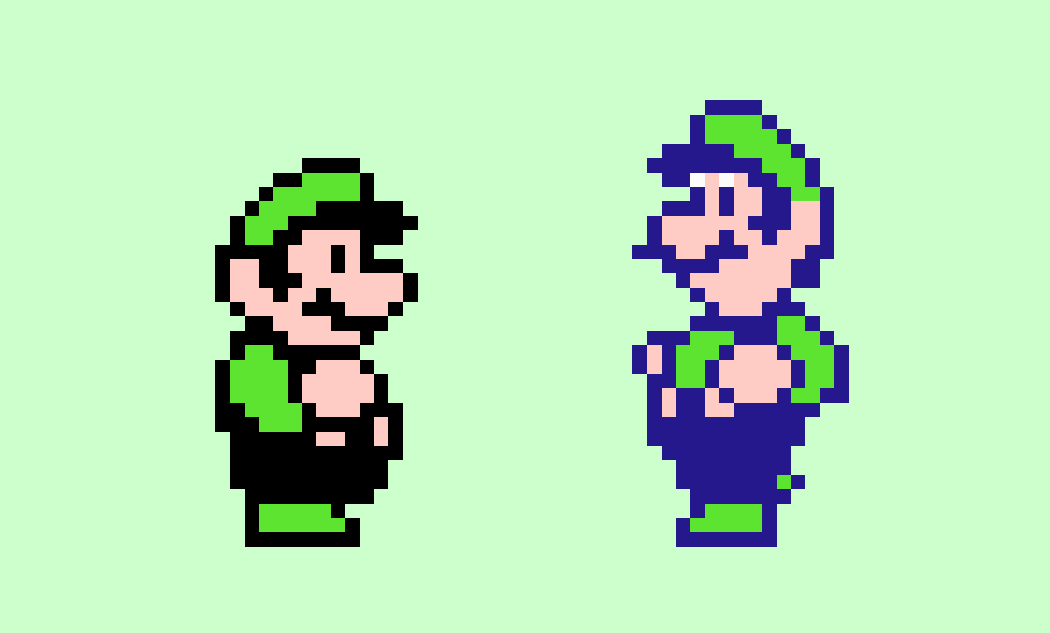
Luigi has basically looked like this ever since — in artwork, at least. The in-game SMB3 sprite for Luigi still looked identical to Mario, just with different colors.
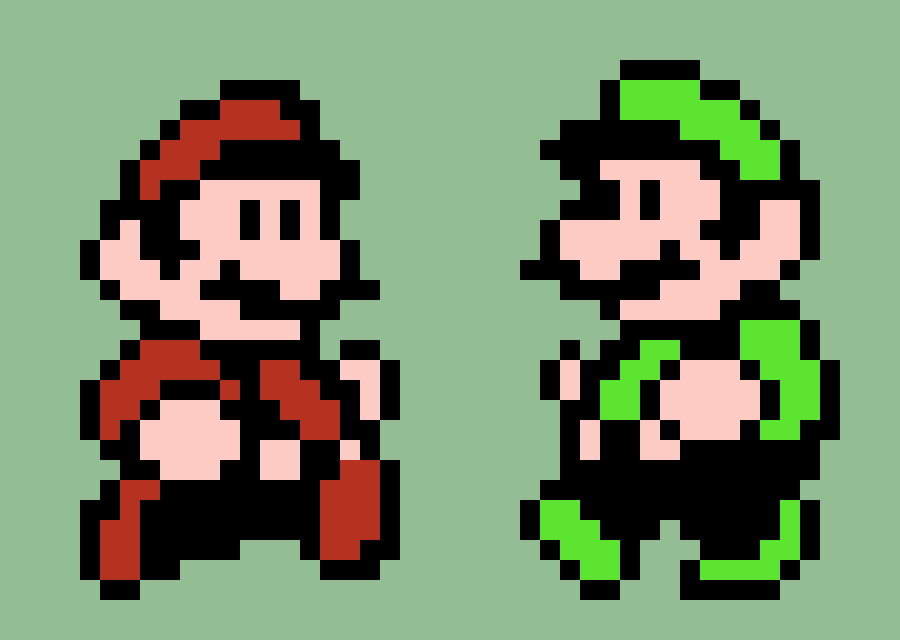
Of course, things played out slightly differently outside Japan. Basically, non-Japanese gamers got to see Luigi get an in-game sprite that made him look different than Mario years before Japanese gamers did. I’ve stated it before but people are always surprised to hear this: Super Mario Bros. 2 happened after SMB3, basically, because work on converting Doki Doki Panic into SMB2 didn’t begin until after the creation of SMB3 had already commenced in Japan. SMB2 was released October 9, 1988 — just weeks before Super Mario Bros. 3 hit shelves in Japan, and that’s why SMB2 ended up featuring better sprites even though it was released earlier than SMB3 outside Japan. It was made later, when Nintendo character designers were even better at using the pixel limitations of the system to make something look good on screen.
You can actually see how SMB2’s sprites for Mario and Peach are based on the ones made for SMB3. It’s more noticeable with Mario, whose idle stance goes from a strictly side-view perspective to a more ambitious three-quarters one, also with cartoonish eyes and a color scheme that better approaches how he’d look in art.
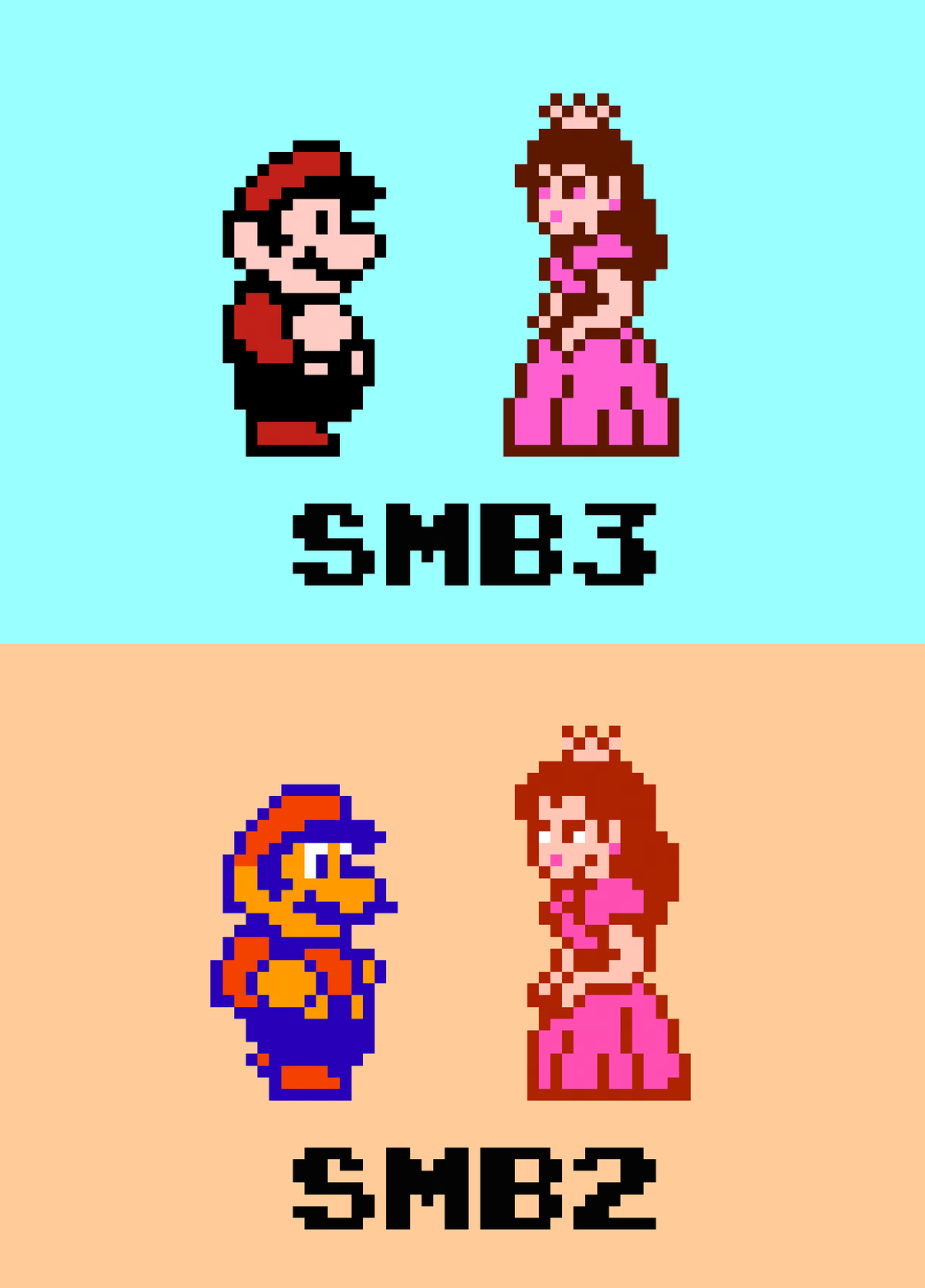
You can’t really make the same comparison with Luigi, however, because his sprite was completely redrawn to reflect the fact that he no longer looked identical to Mario. It’s not based at all on his SMB3 sprite.
Instead, it would seem to be based on the new illustrations made specifically for SMB2, which in turn was based on the two SMB3 illustrations I showed earlier.
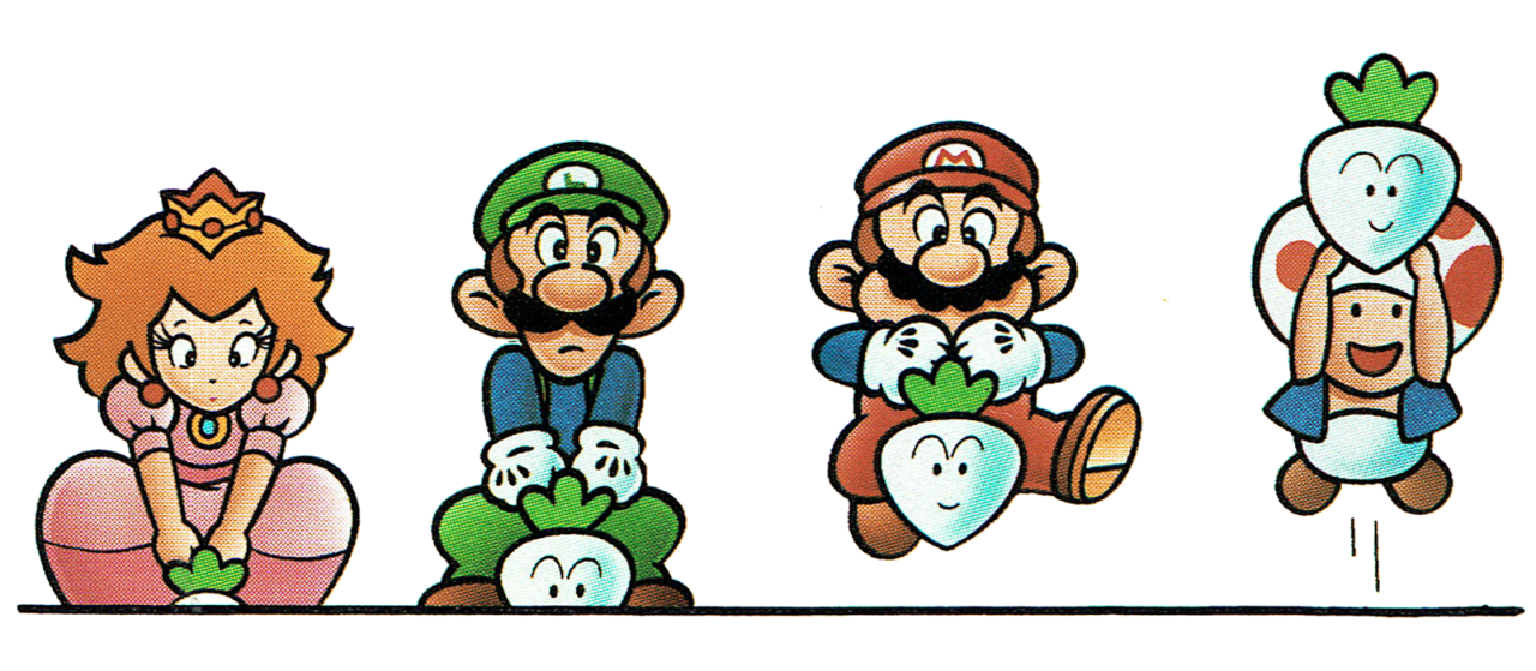
And because SMB2 debuted during peak Mario mania in the west, the new merch featured this version of Luigi everywhere. Gone was the idea that Mario and Luigi were meant to be identical twins. I suppose this fact meant that we got Danny Wells playing Luigi in the live-action segments on The Super Mario Bros. Super Show! instead of two Capt. Lou Albanos performing side-by-side, Parent Trap-style.
For all these reasons, western gamers might have been surprised that SMB2 allowed Luigi to look different but then SMB3 did not, because it seems like a step backwards as far as graphics go. I know I was confused, and it took me years to figure out the reason why. It might have made slightly more sense in Japan, where SMB2 would be released as Super Mario USA in 1992, which put it even after Super Mario World hit shelves. And yes, the first 16-bit adventure also featured a Luigi who was a green but otherwise identical to Mario.
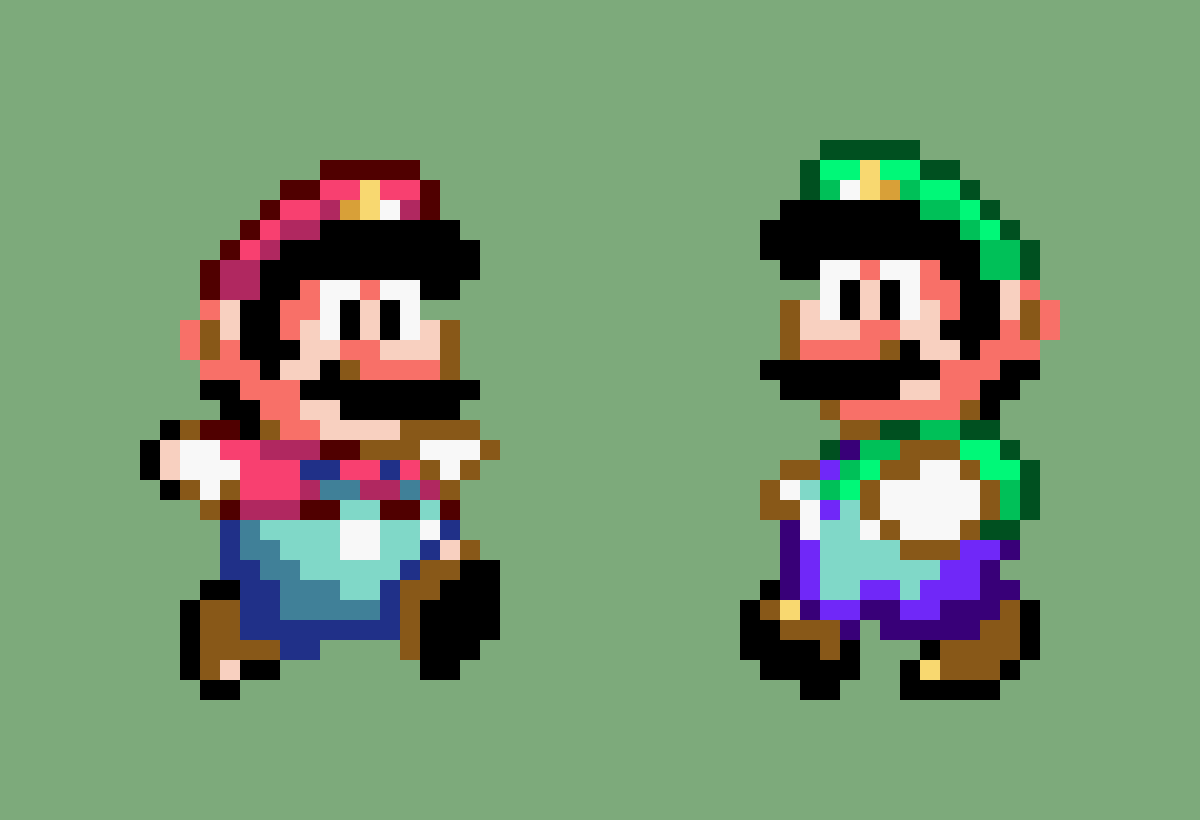
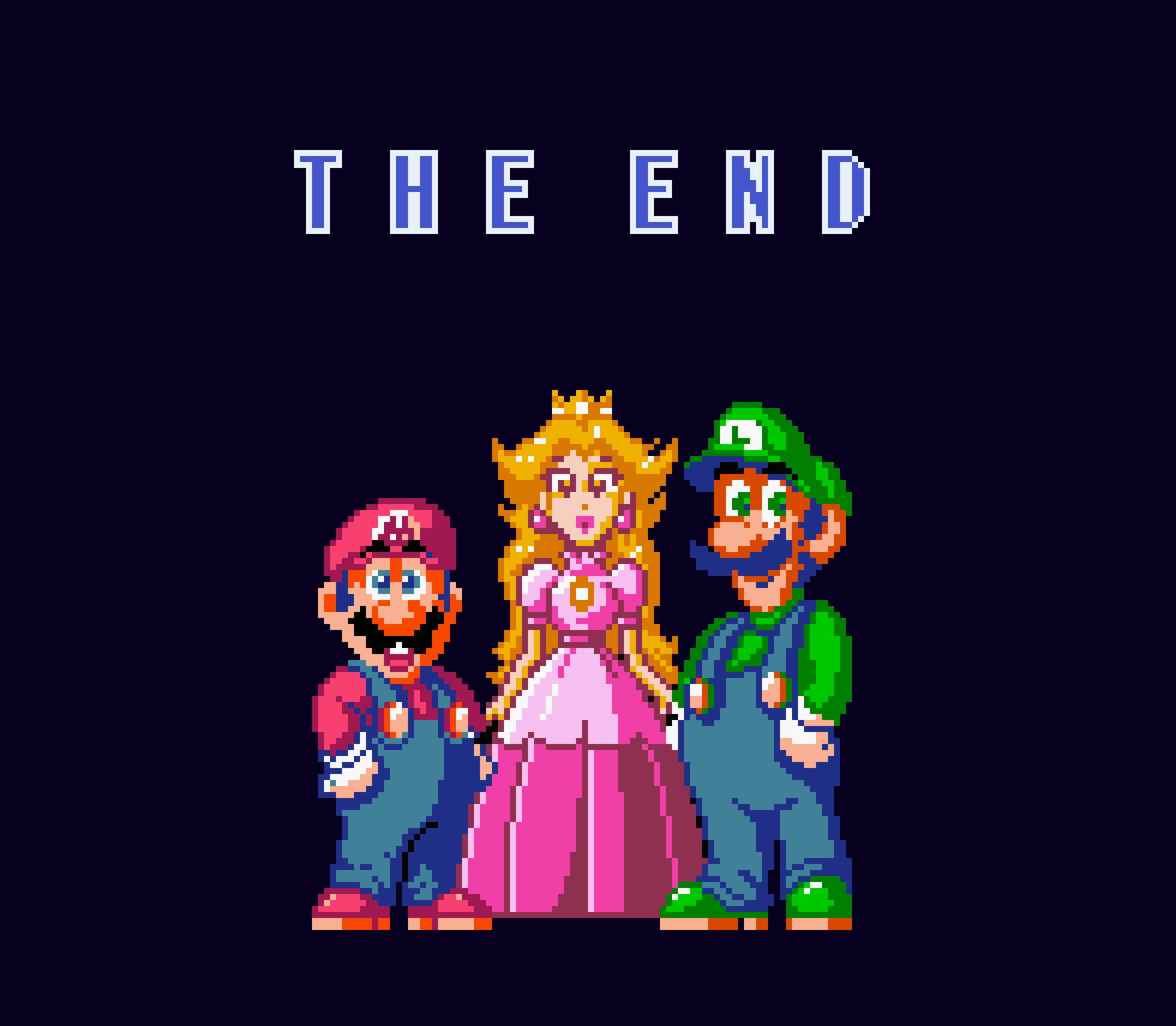
For what it’s worth, the ending sequence to Super Mario World concludes with an image of Mario, Peach and Luigi that is very much the Kotabe style, just drawn in pixels, so it’s an in-game acknowledgement that despite how the sprites look, Mario and Luigi are not identical twins.
But it would actually take until Super Mario Kart for Luigi’s sprite to finally look different than Mario’s in a game that was released in all regions.
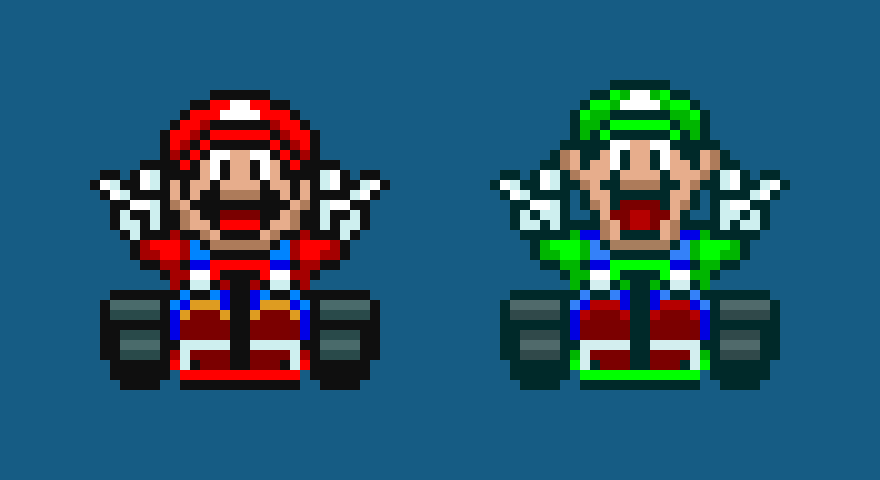
The Super Mario All-Stars re-releases of the NES Mario games would see the implementation of unique sprites for Luigi at long last, and eventually Super Mario World would get a re-release that did the same.
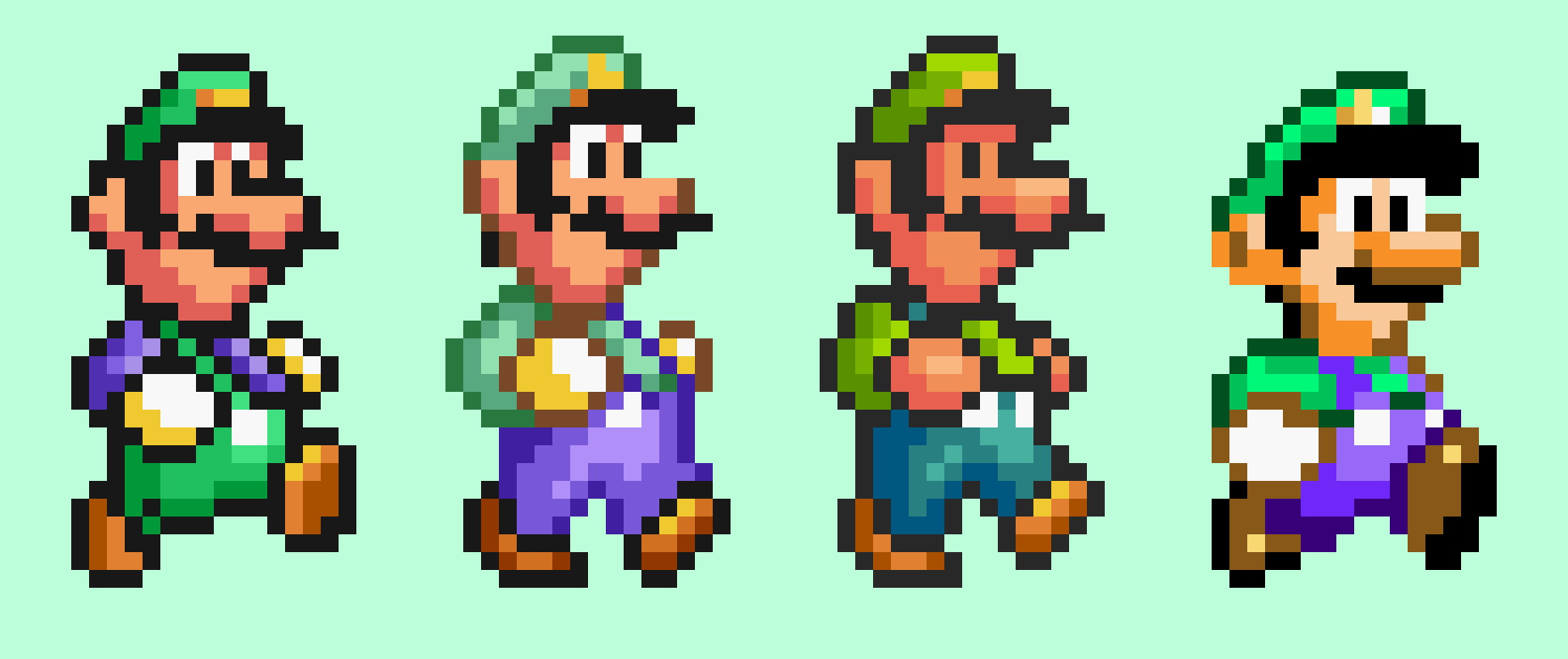
Left to right: The Super Mario All-Stars versions of Luigi in Super Mario Bros., Super Mario Bros. 2, Super Mario Bros. 3 and Super Mario World.
But if we’re talking about an original non-spinoff, non-remake, platformer-style Super Mario game that features Luigi looking different from Mario upon initial release, it actually takes a lot longer than you might expect. Unless I’ve missed something, it doesn’t happen until 2006 with the debut of the New Super Mario Bros. series — which is kind of astounding, when you think about it.
But what is the first game — any genre, Super Mario series or otherwise — to get a worldwide release that features a Mario and a Luigi who don’t look the same? I think I figured it out, and I’m pretty sure it happened as a result of technical limitations rather than any desire on Nintendo’s part to do Luigi a solid. It’s the Game Boy version of Tetris, first released June 14, 1989. It’s not a Super Mario game, but in the two-player version, one player is represented by Mario as their avatar and the other by Luigi. Nintendo was basically forced to draw the brothers differently because given the monochrome palette of the Game Boy, there’d otherwise be no way to tell the brothers apart. He needs a different body type and moustache shape so you can tell who’s who.
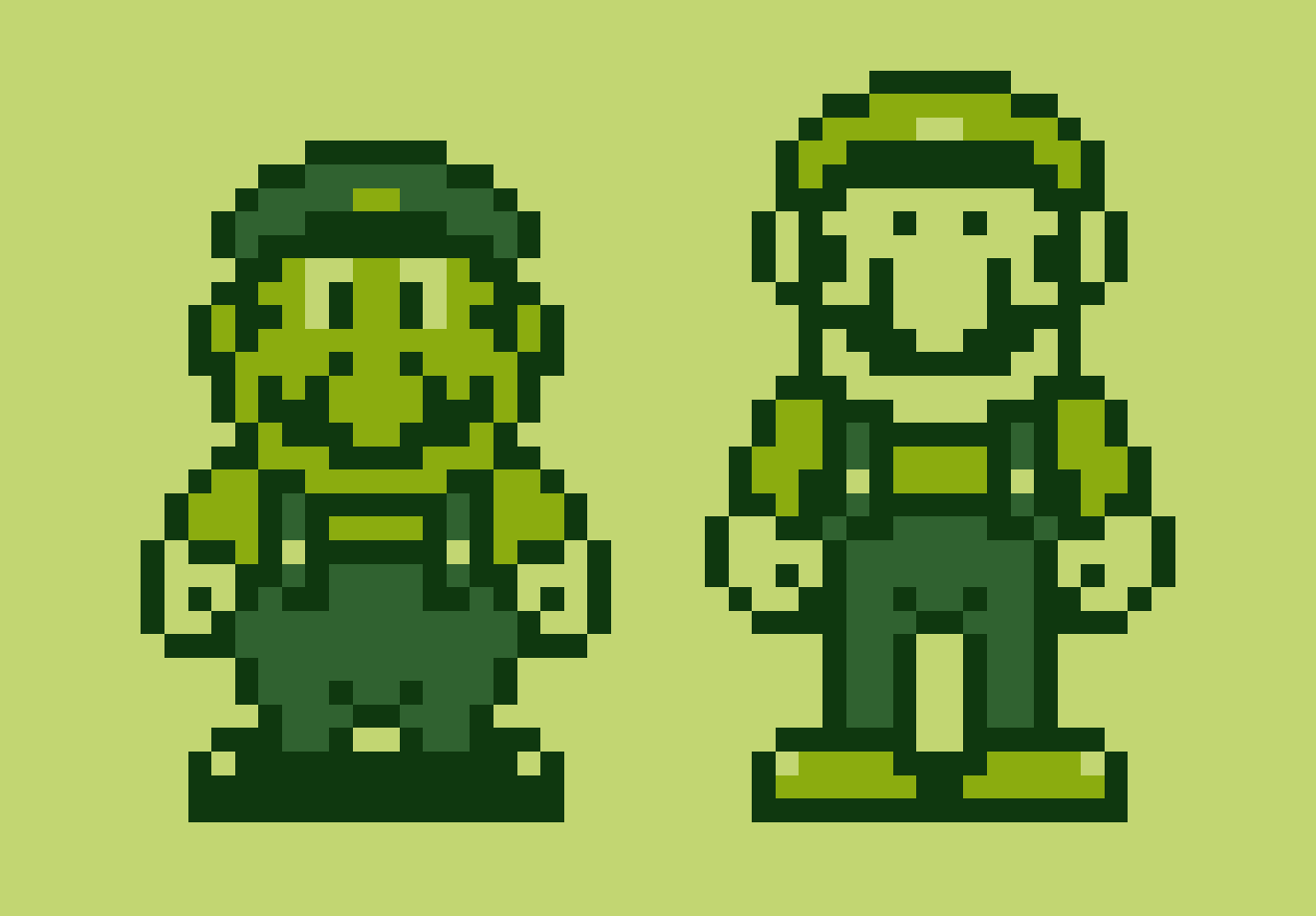
There’s something rather profound in Nintendo refusing to give Luigi his own face until they absolutely had to, I think.
Miscellaneous Notes
I mentioned in the previous post that despite what The Super Mario Galaxy Movie says, Daisy is the more appropriate counterpart for Luigi. In fact, much like Luigi, Daisy was introduced as a character who essentially looked like a different-colored Peach. That would eventually change over time, just like with Luigi.
A few weeks back, I watched the 1986 anime for an episode of Retronauts, and it was in that discussion that I got the idea to do this post. Also, I promised on mike that I’d do it, so this is me fulfilling that contract. I actually had one more idea from recording that episode, and I’m doing that next. Yes, this blog has been Super Mario-heavy recently. It happens. There’s actually a gigantic Mario-related post dropping in the not-too-distant future. Anyway, consider supporting Retronauts on the $5 level to listen to the anime episode. They do good work on that show.
Lastly, there is maybe an argument that a version of Luigi might show up in the series even before the Game & Watch version of Mario Bros. In the opening of Donkey Kong Jr., you see Mario and another Mario working together to contain Donkey Kong.
There’s no in-universe explanation for this extra Mario, I don’t think, and I do wonder if the idea of “Mario but not Mario” ultimately led Nintendo to create Luigi for the next game.
EDIT: After posting this, it was brought to my attention that preliminary sprites for Super Mario World — dated 1989 by The Cutting Room Floor — show that early on, Nintendo had intended to give Luigi unique sprites.
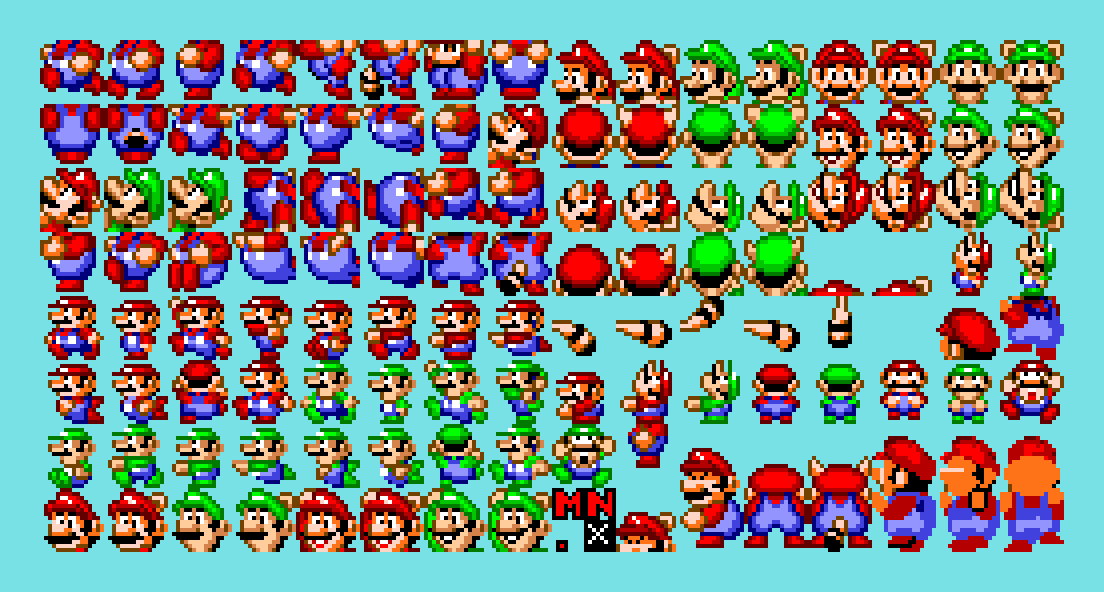
This was early enough that the mechanism by which Mario flies was still the raccoon tail. It has not been switched out for the cape yet. Obviously, that’s the final version of the game did not give Luigi his own sprites, and I don’t know why.